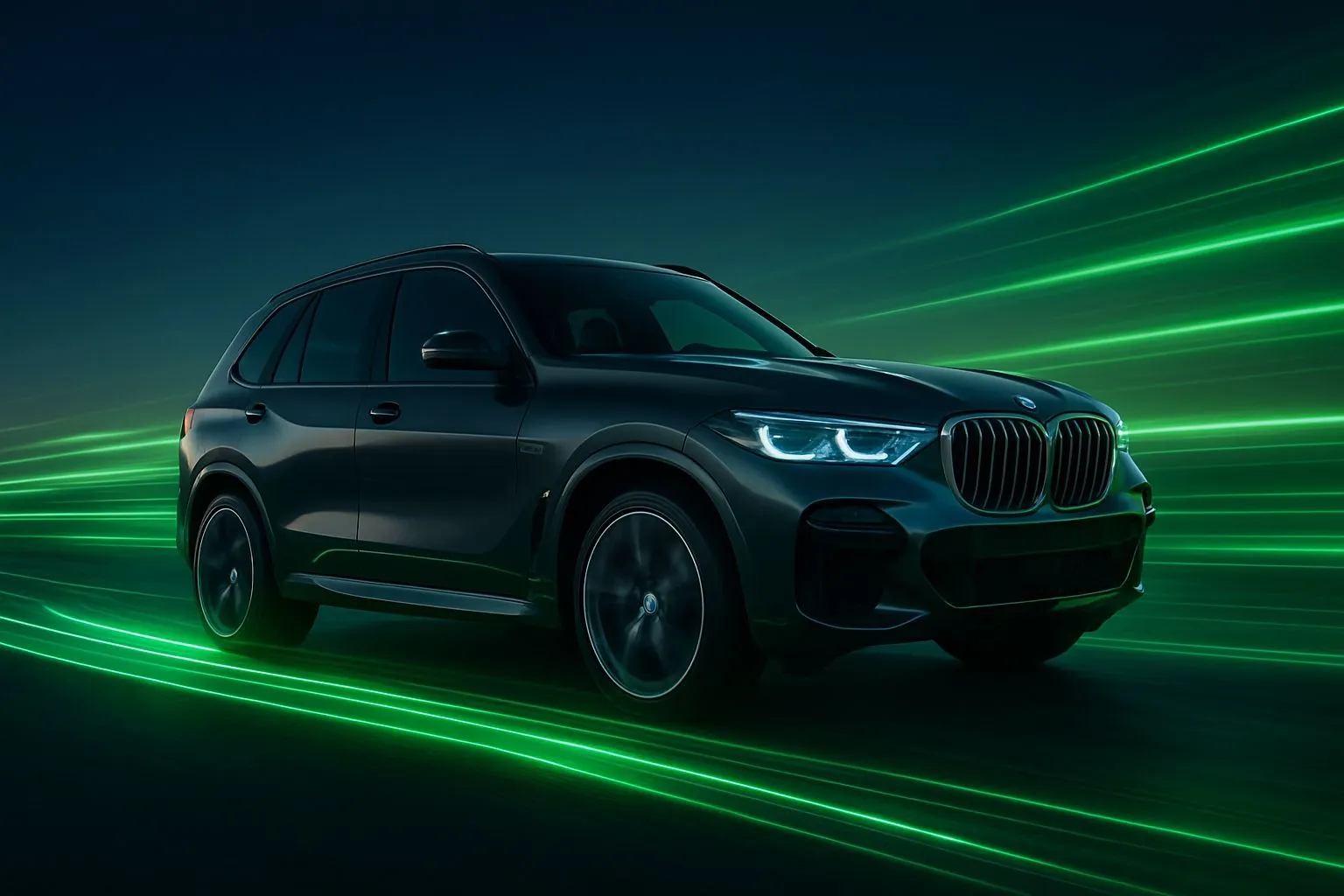
The 2016 Ars Technica reportage offered a fascinating break of a crucial moment for the automotive industry: the introduction of the BMW X5 xDrive40e, a plug-in hybrid SUV (PHEV) that promised to reconcile the luxury, performance and practicality typical of BMW with increased efficiency. Eight years later, it is time to reflect on how this vehicle acted as a catalyst for the evolution of the electrified premium SUV segment, how technology progressed, and how consumer expectations and charging infrastructure have changed radically. If in 2016 the hybrid X5 was perceived as a bold bet, an attempt to “apply the technology found in i3 and i8 to the regular production models”, today electrification is an ineludible component of the strategy of every manufacturer of prestigious cars. Our journey will explore the footprint left by the X5 xDrive40e, analyzing its pioneering role, the innovations it introduced and the ones it has predicted, and how the automotive landscape has been able to welcome and exceed the challenges posed by vehicles like this. From driving dynamics to progress in electric autonomy, from the evolution of charging infrastructures to changes in consumer regulations and preferences, we will examine how the idea of a “fun SUV to drive and efficient in consumption” has become a complex and layered reality, projecting us towards a future where the boundary between conventional and electric vehicle is increasingly blurred.
The Alba of Hybridation: The BMW X5 xDrive40e as a New Era Rainier
In 2016, the BMW X5 xDrive40e was not just another model in the Bavarian manufacturer's range; it represented a turning point significant, a true manifesto of BMW’s ambitions in the field of electrification. After exploring the boundaries of design and engineering with futuristic i3 and exclusive i8, BMW decided to bring the hybrid plug-in technology into a more traditional format and, above all, more sold: the luxury SUV. This choice was not random. The X5 was already the second best-selling model of BMW in the United States, a vehicle that embodied success, status and a certain functional robustness. The introduction of a plug-in hybrid version, as highlighted by the original article, aimed at “maintaining the BMW driving experience but with an additional dose of efficiency”. And in fact, under the hood, the coupling of a 2.0-litre four-cylinder turbo gasoline engine with a synchronous electric motor generated a combined power of 308 hp and 450 Nm of torque, respectable figures for a SUV of over 2.3 tons. Innovation resided in the vehicle’s ability to travel up to 19 miles (about 30 km) in purely electric mode, a novelty for a SUV of this size at the time. The 9 kWh battery, strategically located under the trunk, was an intelligent solution to integrate the electrical components without overly compromising the internal space, an intrinsic advantage of the SUV body. The power management system, with its three modes of driving (Comfort, Sport, Eco Pro) and the dedicated eDrive button for energy management, showed BMW’s commitment to offering the driver a sophisticated control over the interaction between the two engines. This technological complexity, while being managed by intelligent software, underlined the pioneering nature of the vehicle, which sought to offer the best of both worlds: the versatility and the power of the heat, combined with the efficiency and quietness of the electric for short trips. The driving experience, although the weight was not completely masked, benefited from the instant couple of the electric motor, making smooth departures and surprisingly vigorous acceleration for such a vehicle. Despite some criticism of steering insulation and seat sealing, typical of many modern vehicles that abandon traditional hydraulic systems, the X5 xDrive40e managed to enchant for its ability to make driving pleasant, especially opting for electric mode. The charm resided not only in performance or potential efficiency, but in its ability to make the driver feel “almost pleased” in recovering energy and using it for short commissions, a new and rewarding feeling for SUV owners accustomed to high consumption. The starting price, aligned with diesel or petrol versions thanks to tax incentives, made it an economically attractive proposal, placing the X5 xDrive40e as a vehicle that not only anticipated the future but made it accessible in the present, although with the intrinsic challenges related to the charging infrastructure of time.
From Hybrid Plug-in to Total Electrification: The Evolution of the BMW Strategy
The introduction of the BMW X5 xDrive40e in 2016 marked a fundamental stage in strategic transition di BMW verso l’elettrificazione, ma è solo il primo capitolo di una narrazione molto più ampia. Se l’X5 PHEV era un esperimento riuscito per portare la tecnologia “i” nei modelli mainstream, gli anni successivi hanno visto BMW accelerare drasticamente la sua roadmap elettrica, culminando in una gamma crescente di veicoli puramente elettrici (BEV) sotto il marchio “i” e in una continua espansione delle offerte ibride plug-in. Inizialmente, BMW ha adottato un approccio “Power of Choice”, offrendo ai clienti la possibilità di scegliere tra motorizzazioni a benzina, diesel, ibride plug-in ed elettriche pure per molti dei suoi modelli più popolari. Questo approccio mirava a soddisfare un’ampia gamma di esigenze e a facilitare una transizione graduale per i consumatori. L’esperienza acquisita con la X5 xDrive40e è stata cruciale: i feedback sulla gestione della batteria, sull’integrazione del sistema propulsivo ibrido e sull’accettazione del mercato hanno informato lo sviluppo delle generazioni successive di PHEV, come le versioni ibride plug-in della Serie 3, Serie 5, Serie 7 e, naturalmente, le successive iterazioni della X5 stessa. Questi nuovi modelli hanno beneficiato di batterie con capacità maggiori, offrendo autonomie elettriche significativamente superiori (spesso oltre 50-80 km nel ciclo WLTP), e di powertrain ibridi più potenti ed efficienti. Parallelamente, BMW ha investito massicciamente nello sviluppo di piattaforme dedicate ai veicoli elettrici e nella tecnologia delle batterie. La transizione da un motore elettrico “adattato” a uno progettato per un’integrazione ottimale ha migliorato l’efficienza complessiva e le prestazioni. L’architettura “Cluster Architecture” (CLAR) di BMW è stata progettata fin dall’inizio per supportare tutte le forme di propulsione, consentendo una flessibilità produttiva senza precedenti. Tuttavia, la vera svolta è arrivata con l’introduzione di modelli BEV come la BMW iX, la i4, la iX3 e la i7, che rappresentano l’apice della strategia di elettrificazione di BMW. Questi veicoli non sono semplici versioni elettriche di modelli esistenti; sono stati concepiti da zero come veicoli elettrici, con un design distintivo, piattaforme dedicate che ottimizzano lo spazio per le batterie e l’efficienza aerodinamica, e una profonda integrazione digitale. L’iX, in particolare, ha dimostrato l’ambizione di BMW di creare un’esperienza completamente nuova, ponendo l’accento sulla sostenibilità dei materiali, sull’interfaccia utente intuitiva e su un’autonomia elettrica che rende i lunghi viaggi fattibili. Questo passaggio dall’ibrido plug-in, che sebbene efficiente in alcune circostanze rimane un compromesso tra due mondi, al veicolo elettrico puro, dimostra un’evoluzione non solo tecnologica ma anche filosofica all’interno dell’azienda. L’esperienza della X5 xDrive40e, con la sua sfida di bilanciare le aspettative tradizionali di BMW con l’innovazione elettrificata, ha fornito lezioni inestimabili che hanno plasmato la direzione attuale. Oggi, BMW non si limita a “applicare” la tecnologia; la sta re-immaginando e reinventando per definire il proprio ruolo nel futuro della mobilità, con un impegno chiaro verso la decarbonizzazione e la leadership tecnologica nel segmento premium.
The Market of Hybrid SUVs: Growth, Consolidation and New Perspectives
Since 2016, the year when the BMW X5 xDrive40e entered the scene, the global hybrid SUV market ha subito una trasformazione radicale, evolvendo da una nicchia di innovatori precoci a un segmento consolidato e trainante per l’intera industria automobilistica. La decisione di BMW di ibridare l’X5, uno dei suoi bestseller, si è rivelata estremamente lungimirante. I SUV, già allora, erano in rapida ascesa in termini di popolarità, apprezzati per la loro versatilità, la posizione di guida rialzata, la spaziosità e la percezione di sicurezza. L’aggiunta di una motorizzazione ibrida ha risolto una delle principali obiezioni mosse a questi veicoli: i consumi elevati e le emissioni. L’X5 xDrive40e ha dimostrato che era possibile avere un SUV premium che fosse potente, lussuoso e, allo stesso tempo, più rispettoso dell’ambiente e potenzialmente più economico da gestire, almeno per chi aveva la possibilità di ricaricare regolarmente. Negli anni successivi, quasi ogni produttore premium e generalista ha seguito l’esempio, introducendo le proprie versioni ibride plug-in e full-hybrid di SUV di tutte le dimensioni. Modelli come la Volvo XC90 Recharge, la Mercedes-Benz GLE 350de, l’Audi Q7 TFSI e, e molteplici offerte di Land Rover, Porsche e Lexus, hanno inondato il mercato, offrendo ai consumatori una scelta senza precedenti. Questa proliferazione è stata alimentata da una combinazione di fattori: normative sulle emissioni sempre più stringenti che incentivavano i costruttori a ridurre la media di CO2 della loro flotta, incentivi governativi all’acquisto di veicoli elettrificati (che rendevano i PHEV spesso competitivi in termini di prezzo finale rispetto alle controparti a combustione interna), e una crescente consapevolezza ambientale tra i consumatori. La percezione del PHEV è passata da “tecnologia di nicchia” a “soluzione pratica” per molti, specialmente per coloro che non erano ancora pronti per un’auto completamente elettrica a causa dell’ansia da autonomia, dei tempi di ricarica percepiti o della mancanza di infrastrutture adeguate nelle loro aree. I SUV ibridi plug-in, in particolare, sono diventati un “ponte” ideale verso la mobilità elettrica, permettendo ai proprietari di sperimentare la guida elettrica per le commissioni quotidiane e di avere la tranquillità di un motore a combustione per i viaggi più lunghi. Il mercato ha visto una chiara differenziazione anche all’interno del segmento ibrido, con i full-hybrid (HEV) che offrono efficienza senza la necessità di ricarica esterna, e i plug-in (PHEV) che massimizzano i benefici ambientali e economici attraverso la ricarica. Il consolidamento del segmento è evidente anche nelle dimensioni dei veicoli, che vanno dai SUV compatti ai grandi SUV di lusso a sette posti, tutti disponibili in configurazioni ibride. La sfida attuale per il mercato dei SUV ibridi, tuttavia, risiede nel bilanciare le aspettative di efficienza con l’uso reale. Come l’articolo originale ha sottolineato per l’X5 xDrive40e, la vera efficienza del carburante dipende fortemente dalla frequenza e dalla regolarità della ricarica della batteria. Senza una ricarica costante, un PHEV può finire per consumare più benzina di una controparte non ibrida a causa del peso aggiuntivo della batteria e del motore elettrico. Nonostante questa sfida, la versatilità e i vantaggi immediati offerti dai SUV ibridi plug-in continueranno a renderli una scelta popolare, specialmente in un contesto di transizione energetica che vedrà convivere diverse forme di propulsione per un tempo significativo. La loro evoluzione continuerà, con l’integrazione di tecnologie sempre più avanzate, batterie più performanti e sistemi di gestione dell’energia ancora più sofisticati, garantendo che i SUV ibridi rimangano un attore chiave nel panorama automobilistico futuro.
Refill infrastructure: From Challenge to Pouchs to Essential Service
When the BMW X5 xDrive40e was launched in 2016, the theme of charging infrastructure era ben lontano dall’essere una priorità pubblica o un servizio ampiamente disponibile. L’articolo originale lo evidenziava chiaramente, menzionando le difficoltà incontrate nel trovare caricabatterie pubblici e, peggio ancora, il problema del “ICEing” (Internal Combustion Engine Vehicle blocking Electric Vehicle charging spot), dove veicoli a benzina o diesel occupavano gli spazi dedicati ai veicoli elettrici. Questa situazione era una chiara barriera all’adozione per molti potenziali acquirenti di PHEV e BEV. La disponibilità di soli 18 posti EV in un centro città e il fatto che 14 di essi fossero occupati da veicoli ICE non era un’anomalia, ma piuttosto la norma in molte aree urbane e suburbane. La necessità di “avere un posto dove collegare l’auto” era un prerequisito quasi indispensabile per sfruttare appieno il potenziale di efficienza di un veicolo come l’X5 ibrida, relegando di fatto l’esperienza PHEV ottimale a chi aveva accesso a una ricarica domestica. Otto anni dopo, il panorama è radicalmente cambiato. L’investimento globale nelle infrastrutture di ricarica è esploso, spinto da politiche governative pro-elettrificazione, dalla crescente domanda di veicoli elettrici e ibridi, e dall’ingresso di nuovi attori nel settore energetico e tecnologico. Abbiamo assistito a una crescita esponenziale del numero di punti di ricarica pubblici, sia a corrente alternata (AC) che a corrente continua (DC) ultrarapida. Le autostrade e le principali arterie stradali sono ora disseminate di stazioni di ricarica che possono ricaricare un veicolo in tempi molto più brevi rispetto al 2016. Aziende come Electrify America, Ionity, EVgo e una miriade di fornitori locali hanno creato reti che si estendono per migliaia di chilometri. Anche il problema del “ICEing”, sebbene non completamente debellato, è diventato meno frequente grazie a una maggiore consapevolezza, a multe e alla maggiore disponibilità di colonnine. Tuttavia, le sfide persistono. La copertura e la densità delle infrastrutture variano ancora significativamente da regione a regione. La velocità di ricarica è diventata un nuovo campo di battaglia tecnologico, con veicoli che richiedono potenze sempre maggiori e stazioni che devono essere in grado di erogarle in modo affidabile. L’interoperabilità tra diverse reti di ricarica e la semplicità d’uso delle app e dei sistemi di pagamento sono ancora aree che richiedono miglioramenti. Per i proprietari di veicoli PHEV, la ricarica domestica rimane l’opzione più conveniente ed efficiente. L’installazione di una wallbox o di una presa potenziata a casa trasforma il garage in una “stazione di servizio personale”, rendendo la ricarica notturna un’abitudine semplice e vantaggiosa, massimizzando i chilometri percorsi in modalità elettrica e riducendo drasticamente i costi di carburante. Per chi vive in appartamenti o condomini, l’accesso alla ricarica rimane una sfida più complessa, che richiede soluzioni innovative come la ricarica in strada o in parcheggi sotterranei condivisi. L’evoluzione delle infrastrutture non è solo una questione di quantità, ma anche di intelligenza. I sistemi di gestione della rete, la ricarica bidirezionale (V2G – Vehicle-to-Grid) e l’integrazione con le fonti di energia rinnovabile sono le prossime frontiere. L’X5 xDrive40e ha evidenziato quanto fosse importante la ricarica per i PHEV, e la sua eredità è chiara: l’efficienza reale di un veicolo elettrificato è intrinsecamente legata alla disponibilità e all’accessibilità di un’infrastruttura di ricarica robusta e facile da usare. La strada è ancora lunga, ma i passi compiuti dal 2016 sono stati giganteschi, trasformando la ricarica da un ostacolo insormontabile a un pilastro fondamentale della mobilità futura.
Electric Guide Dynamics: The “Piacere di Guidare” in the Hybrid Era
The BMW X5 xDrive40e’s driving experience in 2016, as described in the original article, was a first taste of how BMW’s “picere of driving” evolved into the era of electrification. The text emphasizes how the vehicle, while being heavy (more than 2,300 kg), “weared well its weight”, thanks above all to instant couple of the electric motor. This feature, which provides 250 Nm of immediate push, is a distinctive feature of all electrified vehicles and represents one of the major changes in driving dynamics. The absence of delay in the response of the accelerator and the linear progression of the power radically transform the feeling of acceleration, making it more fluid and, for many, more pleasant, especially in city traffic or in rapid manoeuvres. The “seeing the needle of cashiers remain fixed at zero” during a “even brilliant” start is a feeling that at the time was reserved to a few pioneers, but that today became familiar to millions of drivers. However, the original article also highlighted some gaps, such as the steering wheel “inerte” and the poor “communication” with the front wheels. This criticism, recurring in many modern cars that have abandoned hydraulic systems for electromechanical ones, highlights BMW's challenge to translate its legendary driving feedback in an electrified context. Electric steering systems offer advantages in terms of fuel efficiency and ease of integration with driving assistance systems, but often sacrifice the purity and “sensation” that purists love. In the following years, BMW and other manufacturers have worked hard to refine these systems, using increasingly sophisticated algorithms to simulate more natural and engaging feedback. The integration of electric motors has also allowed greater flexibility in the distribution of the torque, leading to integral traction systems such as the xDrive that can react almost instantly to optimize grip and stability. The regenerative braking is another key element that influences the driving dynamics of hybrid and electric vehicles. If well calibrated, it can make driving more efficient and comfortable, reducing the need to use mechanical brakes and prolonging their useful life. However, imperfect calibration can result in an inconsistent or unnatural braking feeling. The X5 xDrive40e offered different modes of driving (Comfort, Sport, Eco Pro), which modified the accelerator response, the rigidity of suspensions and the logic of change, trying to offer a range of experiences suitable for different moods. This approach has been refined in successive generations, with greater customization and a smoother transition between modes. The challenge remains to maintain Sports DNA BMW, combined with a high-level driving comfort, while integrating the complexity of electrified powertrains. The “gravity center appropriate for a SUV” mentioned in the original article remains a physical reality, but innovations such as adaptive pneumatic suspensions and anti-roll systems have allowed to mitigate the effect of ground height, improving stability and maneuverability. Ultimately, the X5 xDrive40e has shown that the hybrid drive is not in contrast to the pleasure of driving, but rather transforms it, introducing new dimensions such as the silence of march, the readiness and the gratification of intelligent efficiency. His legacy is a precious lesson on how to adapt and reinvent the identity of a brand in an era of profound technological change.
Living with a PHEV: Economy, Ecology and Daily Possession Challenges
Owning and driving a plug-in hybrid (PHEV) like the BMW X5 xDrive40e implies a delicate balance between economy, ecology and daily challenges that emerge from the interface between two different sources of propulsion. The original article emphasised a crucial aspect: the combined EPA efficiency of 24 mpg (about 9.7 km/l) was difficult to replicate in reality without constant charging, with a test experience that did not exceed 22.2 mpg (9.4 km/l) of average. This discrepancy between approved values and real consumption is one of the most common criticisms addressed to PHEV and largely depends on driver behaviour and access to charging. If an owner does not frequently charge, the vehicle will operate mainly in hybrid or purely petrol mode, bringing fuel consumption to similar levels or, in some cases, higher than a comparable internal combustion vehicle, due to the additional weight of the battery and electric motors. However, if the PHEV is regularly recharged, as suggested by the original article for “short commissions at the grocery store”, the benefits become obvious. The possibility to travel between 20 and 80 kilometers (depending on model and generation) in purely electrical mode means that many daily movements can be made at zero cost of fuel and with zero direct emissions, significantly reducing the individual carbon footprint. The tax incentives, as the US$4.668 tax credit mentioned for the X5 xDrive40e, played a key role in making PHEV economically competitive at the time of purchase. These incentives, although varying according to country and year, were essential to bridge the initial price gap due to technological complexity and the cost of batteries. Over time, the amount and availability of these incentives have changed, reflecting government policies and market maturity. From an ecological point of view, the PHEV offers a valid compromise. Although they are not “zero emissions” like pure electric vehicles (BEV) when the thermal engine is running, they still reduce overall emissions compared to traditional vehicles, especially when loaded from renewable energy sources. Battery production and disposal remain important environmental considerations for all electrified vehicles, but the industry is making progress in recyclability and sustainability of the supply chain. The daily challenges of possession of a PHEV include the need for charging planning. While BEVs require greater attention to the autonomy and location of charging stations for long trips, PHEVs offer the flexibility of the combustion engine as a “security network”. However, to maximize efficiency and savings, the owner must develop the habit of connecting the vehicle whenever it is parked, both at home and at the workplace or in public charging points. This requires a change of mindset compared to the simple “resupply when the tank is almost empty”. Moreover, the cost of electricity varies considerably depending on the region and the time of the day, affecting the actual cost per kilometre route in electric. The maintenance of a PHEV is more complex than an internal combustion vehicle due to the presence of two propulsive systems, but on the other hand, the lower use of the gasoline engine for short routes can reduce the wear of some components. In summary, living with a PHEV is an experience that requires a certain commitment, but that rewards with greater efficiency, potentially lower management costs and a tangible contribution to reducing the environmental impact, positioning itself as a fundamental intermediate step towards a completely sustainable mobility.
Design and Functionality in the Hybrid Abdence: Innovation and Comfort
L’abitacolo di un veicolo, soprattutto in un SUV premium come la BMW X5 xDrive40e, è molto più di un semplice spazio di guida; è un ambiente che deve bilanciare estetica, ergonomia, funzionalità e comfort. Nel 2016, la X5 ibrida, pur mantenendo l’architettura interna familiare ai modelli a combustione, doveva integrare nuove funzionalità legate alla sua natura elettrificata senza compromettere l’esperienza di lusso e praticità. L’articolo originale lodava l’ergonomia “buona” e la “vista dominante” dalla posizione di guida, caratteristiche apprezzate nei SUV. Ma ciò che realmente colpiva era il “massiccio tetto apribile in vetro”, che inondava l’abitacolo di luce, contribuendo a una sensazione di spaziosità e ariosità. Un elemento apparentemente minore ma significativo per l’autore era la finitura in legno “quasi come legno di fiume”, che aggiungeva un tocco di calore e distinzione all’ambiente interno, dimostrando l’importanza dei dettagli nei veicoli premium. L’integrazione della tecnologia ibrida ha comportato sfide e opportunità specifiche per il design degli interni. La necessità di alloggiare il pacco batterie da 9 kWh ha ridotto leggermente il volume del bagagliaio rispetto ai modelli X5 non elettrificati, passando da 650 litri a 500 litri con i sedili alzati. Nonostante ciò, i 500 litri offerti erano ancora “un sacco di spazio”, dimostrando che i costruttori potevano integrare le batterie senza sacrificare eccessivamente la funzionalità tipica di un SUV. La divisione del portellone posteriore in due pezzi, con la parte inferiore che si piega per creare una mensola di carico, è un esempio di come il design pratico possa migliorare l’usabilità, indipendentemente dalla propulsione. La gestione delle informazioni relative all’energia è diventata una nuova priorità. Il sistema iDrive di BMW, con la sua rotella e i pulsanti circostanti, è stato adattato per visualizzare il flusso di energia, lo stato di carica della batteria, l’autonomia elettrica e l’efficienza del sistema ibrido. Gli strumenti digitali o ibridi (analogici con schermi digitali) hanno iniziato a mostrare nuove metriche, aiutando il guidatore a comprendere e ottimizzare l’uso dell’energia. L’articolo menziona anche come l’app di navigazione dell’X5 “fattorizzasse non solo il traffico ma anche la topologia e altre informazioni per massimizzare l’efficienza del viaggio”, anticipando l’integrazione sempre più profonda tra infotainment e gestione energetica. Negli anni successivi, questa tendenza si è accentuata. I veicoli ibridi ed elettrici hanno spinto l’innovazione negli interni con schermi più grandi e personalizzabili, comandi vocali avanzati e una connettività sempre più sofisticata. La strumentazione è diventata completamente digitale, offrendo grafiche dedicate alla propulsione elettrica, suggerimenti per la guida efficiente e una visualizzazione chiara dell’autonomia residua. I materiali sostenibili, i rivestimenti innovativi e le opzioni di personalizzazione sono diventate sempre più importanti nel segmento premium, riflettendo un’attenzione crescente non solo al lusso ma anche alla responsabilità ambientale. I sedili, come notato nell’articolo originale per la X5 ibrida, hanno continuato a essere un’area di evoluzione, con l’introduzione di design più ergonomici, funzioni di massaggio, ventilazione e, in alcuni casi, una maggiore capacità di contenimento laterale per supportare la guida dinamica. In sintesi, il design e la funzionalità dell’abitacolo dei SUV ibridi, a partire da pionieri come la BMW X5 xDrive40e, hanno dimostrato che l’integrazione di nuove tecnologie può avvenire senza sacrificare il comfort e la praticità, ma anzi, arricchendo l’esperienza a bordo con nuove informazioni e capacità di personalizzazione, creando un ambiente che è sia lussuoso che tecnologicamente avanzato, un vero e proprio santuario della mobilità moderna.
More than 2016: What Reserves the Future for Hybrid SUVs and Premium Mobility
The introduction of the BMW X5 xDrive40e in 2016 provided us with a snapshot of a future that, eight years later, is already partly our reality. Looking beyond 2016, we are faced with an ever-changing panorama for hybrid SUVs and, more generally, for premium mobility. The role of PHEV, though fundamental as “bridge” towards full electrification, is destined to transform itself. New generations of plug-in hybrid SUVs are expected to offer even greater electric autonomy, with battery packs that could exceed 20-30 kWh and allow real autonomy in electric mode of 100-150 km, making them even more effective for most daily movements. This will further reduce the dependence on the internal combustion engine, which will increasingly assume a role of “range extender” for long trips. The efficiency of the thermal engine itself will continue to improve, with increasingly advanced combustion technologies and the integration of mild-hybrid 48V systems that will optimize its operation even when the electric motor is inactive. Battery technology is another area of incessant innovation. It is expected to adopt solid state batteries, which promise greater energy density, faster charging times, greater safety and longer life. These advances will be crucial to reduce the weight and bulk of battery packs, allowing designers greater freedom and further improving the driving dynamics of electrified SUVs. Artificial intelligence and connectivity will play an increasingly central role. Energy management systems will become even more sophisticated, using real-time data on traffic, topography, weather and even driver driving behaviour to optimize the use of electricity and fuel. The vehicle- infrastructure communication (V2I) and vehicle-vehicle (V2V) will allow hybrid SUVs to dialogue with the charging network and other vehicles for even more efficient energy management and to enable advanced autonomous driving functions. Customization and experience on board will be high at new levels. The cabin will become an integrated digital ecosystem, with holographic screens, intuitive user interfaces based on augmented reality, and entertainment and productivity features that will turn the time spent in the car. Sustainability will become an even more decisive factor, with the use of recycled materials and biological origin, low-emission production processes and an ethical supply chain for the raw materials of the batteries. For premium manufacturers like BMW, the brand positioning will move more and more from the exclusive power of the engine to the ability to offer a holistic mobility experience, including sustainability, cutting-edge technology, unparalleled comfort and, of course, the pleasure of driving. While fully electric vehicles will become more and more the norm, plug-in hybrid SUVs will continue to maintain their relevance to a specific audience that appreciates flexibility and gradual transition. They could also evolve into more extreme forms, such as high-performance hybrids or vehicles that also integrate hydrogen fuel cells to further extend autonomy and reduce supply times. The X5 xDrive40e lit the spark; the future will see this spark turning into a fire of innovation that will completely redefine the category of premium SUVs and our entire concept of mobility.
In retrospective, the BMW X5 xDrive40e, tested by Ars Technica in 2016, emerges not only as a charming and functional SUV, but as an authentic precursor of one of the most significant changes in the automotive industry. What was then a vehicle that “has fascinated us more than we expected” became a symbol of BMW’s ingenuity and foresight to embrace electrification. It has shown that it was possible to instill new life to a consolidated segment, offering consumers a practical and economically sensible way to greater sustainability without sacrificing luxury or performance. Its initial challenges, from real efficiency linked to charging infrastructure availability, were not insurmountable obstacles, but rather learning stages that led the entire industry to improve. Since its launch, we have witnessed an explosion of innovation: doubled electric autonomy, ultra-fast charging systems, deep digital integration and increasing environmental awareness. The X5 xDrive40e was not the end, but the beginning of a trip, a journey that continues to define the future of premium SUVs and mobility. Its legacy is clear: it opened the way to a new generation of vehicles that not only transport us, but connect us to a cleaner, more efficient future and, ultimately, even more electrifying.


