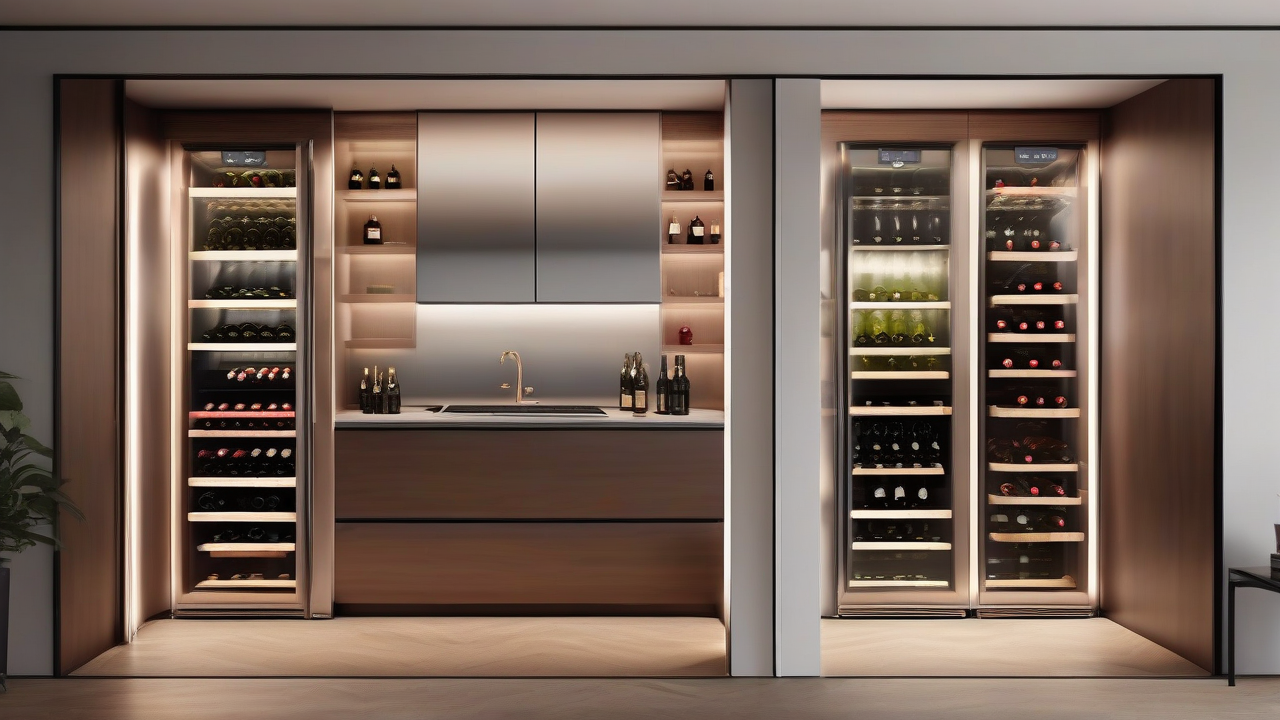
For each estimator of good wine, whether it is an experienced sommelier or a passionate fan of the first weapons, conservation plays a major role. Maintaining the bottles in optimal conditions is essential not only for the aging of the most valuable labels, but also to ensure that each sip is tasted at the ideal service temperature, enhancing its organoleptic qualities. A wine cellar is the indispensable tool to achieve this goal, a precious ally to guard your wine “trees”.
Crucial Importance of Wine Conservation
Several factors may adversely affect the quality and potential of aging of wine. Temperature variations, inadequate humidity levels, exposure to light and vibration are the sworn enemies of each bottle. Erroneous preservation can accelerate oxidation, alter taste, change aroma and even compromise the integrity of the cap. For this reason, investing in a dedicated cellar is not a luxury, but a necessity for those who want to preserve the value and pleasure of their wines.
Pillars of Perfect Conservation
A professional cellar replicates the ideal conditions of a natural cellar, offering a stable and controlled environment. Here are the key factors:
- Controlled temperature: Thermal stability is perhaps the most critical parameter. Brusche oscillations can damage the wine, while a constant temperature promotes a harmonious maturation. Modern cantinettes offer precise control, with the possibility to set the desired range, often between 5°C and 18°C. Some advanced models have independent temperature zones, while preserving white, red and sparkling wines at their respective optimal storage or service temperatures.
- Ideal humidity: A controlled humidity level, generally between 50% and 80%, is essential to maintain the elasticity of the cork. Too dry cap tends to shrink, allowing the air to enter the bottle and causing the oxidation of the wine. On the contrary, excessive moisture can encourage mould formation on the label.
- Protection from Light: UV rays can alter the color and degrade the tannins of the wine, compromising its longevity and taste. The quality cantinettes are equipped with glass doors with special anti-UV filters, often double-layered and tempered, which block harmful light while allowing you to admire the collection. The internal lighting, if present, is usually LED, which produces a minimum heat and does not affect the temperature.
- No Vibration and Noise: Constant vibrations, even minimal, can shake the sediments present in the wine, accelerate chemical processes and alter taste. The latest compressors are designed to operate with extremely low noise and vibrations (often less than 40 dB), ensuring undisturbed rest at the bottles.
- Quality of Air: The external smells can penetrate through the cork and contaminate the wine. Many cantinettes include active carbon filters that purify internal air, preventing any aromatic alteration.
- Positioning the Bottles: Most shelves in cantinettes are designed to accommodate bottles in a horizontal position. This ensures that the wine remains always in contact with the cork, keeping it moist and elastic and preventing the entry of oxygen.
Choice Guide: What to rate in a Winery
The wide range of models available on the market can make the choice complex. Here are the key factors to consider to identify the most suitable cellar for your needs:
Capacity and Ingombro
The first aspect to be evaluated is how many bottles you intend to store. The cantinettes range from compact models for 18-30 bottles, ideal for small collections or for those who consume wine regularly, to wider solutions that can accommodate over 70-80 bottles, perfect for true collectors. The physical dimensions are equally important: consider the space available in your home, whether in the kitchen, in the living room or in a studio. Many models are free installation, offering flexibility in positioning.
Temperature Zones: Monozone or Multizona?
- Monozone: If your collection is mainly composed of only one type of wine (e.g. red or white only) or if you want to use it mainly for aging at a constant temperature, a single-zone cellar is the simplest and cheapest choice.
- Multizone (or Double Zone): For those who own a variety of wines and want to have them ready for service, a cellar with two or more independent temperature zones is ideal. It allows to maintain, for example, reds at a higher temperature and whites or fresher sparkling wines, ensuring the versatility required.
Materials and Design
The cantinettes are often considered also furnishing elements. Many models have an elegant design with black or steel finishes and wooden shelves. The wooden shelves (often beech) not only add a touch of sophistication, but are also excellent for absorbing vibrations and allowing proper circulation of air and humidity. Their internal layout may vary, some offer removable or adjustable shelves to fit bottles of different shapes and sizes.
Door and Insulation Technology
The door is a fundamental component. In addition to aesthetics, it is crucial that it is equipped with double tempered glass and anti-filter UV to protect wine from light and ensure effective thermal insulation. Some doors are reversible, offering greater flexibility during installation.
Control and Connectivity Panel
The ease of use is an aspect not to be underestimated. Most cantinettes are equipped with digital external touch displays that allow you to adjust the temperature and other settings without opening the door. The most advanced models offer Wi-Fi connectivity and dedicated applications (often compatible with enology platforms such as Vivino) that allow you to monitor and control the cellar remotely, manage the wine inventory, receive matching and conservation advice.
Energy efficiency and Silence
Considering that the cellar will remain on 24 hours a day, energy efficiency is an important factor in reducing electricity consumption. Although some advanced models may have non-excellent energy classes due to their specific performance, it is always advisable to verify the data. Noise, as mentioned, is crucial to the well-being of wine and not to disturb the domestic environment; values below 40 dB are to be preferred.
Advanced features for the Passionate
For those seeking maximum technology and customization, there are cantinettes that integrate state-of-the-art solutions:
- Advanced Anti-Vibration Systems: In addition to low vibration compressors, some models use specific shock absorbers and joints to further isolate bottles from any micro-vibration.
- Active control of Humidity: They do not just maintain a range, but actively regulate moisture to prevent excessive dryness or condensation.
- 3D LED lighting: LED lights strategically positioned not only on the ceiling but also on the sides, to enhance each single bottle with uniform and heat-free lighting, recreating the atmosphere of a real cellar.
- Smart Management App: In addition to remote control, these apps can offer features such as scanning labels to create a virtual inventory, tracking consumed wines, receiving suggestions on service temperatures and food-wine combinations, turning the cellar into a real personal sommelier.
- Activated Carbon Filters: To ensure an always optimal air quality, with reminders for periodic replacement.
Conclusion
Choosing the right wine cellar means making an investment in the quality and pleasure of your wine passion. Carefully considering the capacity, temperature areas, design, protection technologies and smart features, you will find the perfect model that not only will preserve the integrity of your wines, but will also enrich your tasting experience. A cellar is not just an electrodomestic, but a faithful keeper of your special moments and your most precious bottles.


