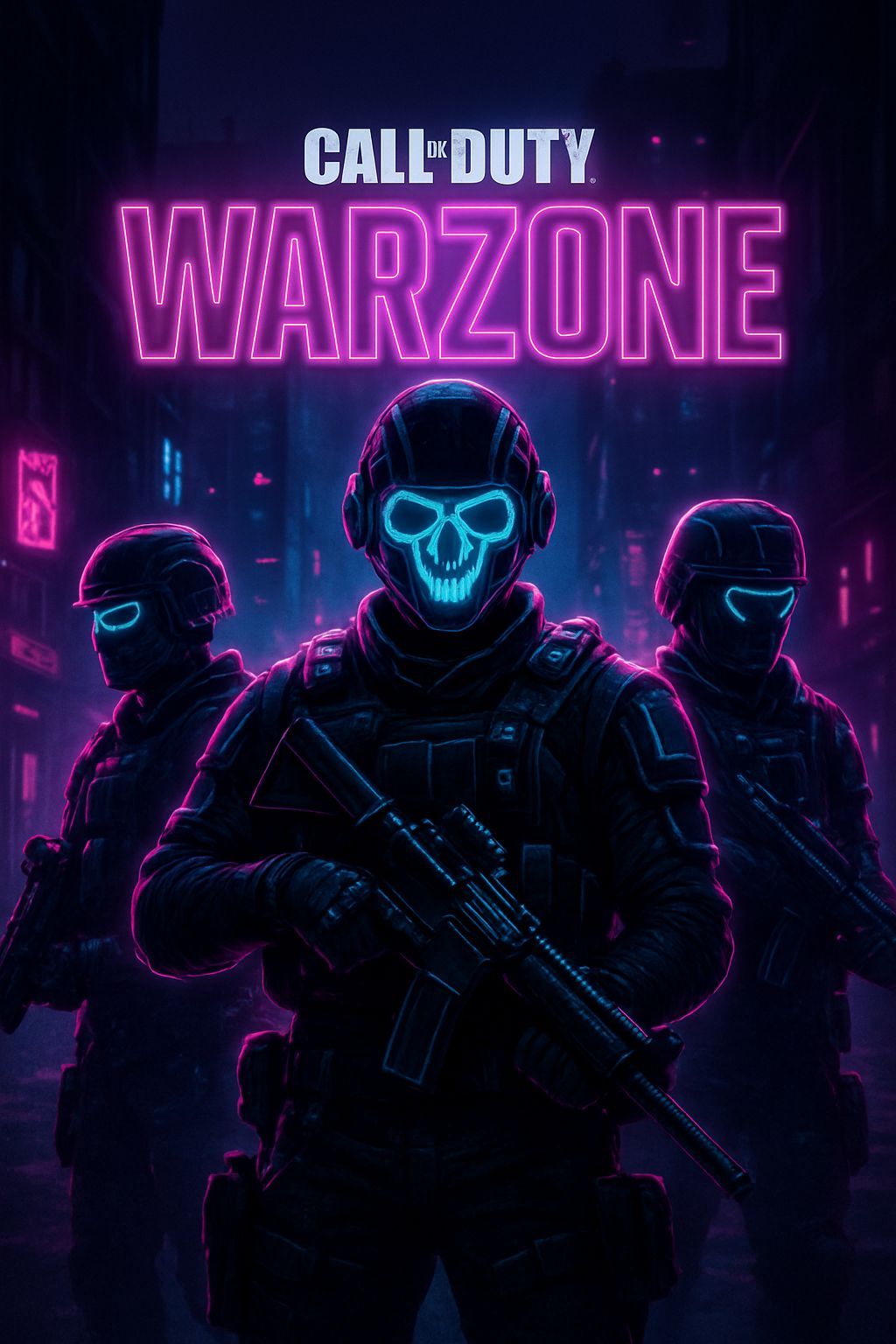
In the vast and hectic universe of Call of Duty, in particular in the chapters that redefine the genre as Modern Warfare (2019) and its free Battle Royale counterpart, Warzone, operators represent much more than simple models of characters. They are the digital incarnation of our identity on the battlefield, a declaration of style, loyalty to a faction, and sometimes even an indicator of skill or dedication. The search and unlocking of these characters, with their unique skins, voices, and sometimes distinctive final moves, have become a central aspect of the gaming experience for millions of fans. This article aims to go beyond the simple list of requirements, exploring in depth the system of operators in these two iconic titles, design philosophies behind their unlocking mechanics, the psychological impact on the player and the evolution of this system during the seasons and future integrations. Whether you’re a veteran trying to complete his collection or a newcomer eager to understand how to get his favorite characters, this comprehensive guide will provide you with all the information you need to master the art of unlocking the operators, offering advanced strategies, practical advice and a thorough look on their meaning within the largest shooter franchise in the first person.
The Ascese of Operators: More than Simplici Skin
The introduction of the “operator” concept in Call of Duty: Modern Warfare (2019) marked a significant turning point in the evolution of character customization within the franchise. Before that, players were often limited to generic soldiers models or predefined characters with few aesthetic options. With Modern Warfare and, later, Warzone, Activision has elevated the role of the playable character, transforming it into a true and proper operator, an agent with his own history, a definite nationality, a affiliation to a faction (Coalition or Allegiance, then subdivided into subgroups like SAS, Demon Dogs, Spetsnaz, Jackals, etc.) and, often, a distinctive personality. This transition was not merely aesthetic; it has infused a new level of depth in the gaming experience, allowing players to identify more with their avatar on the battlefield. Each operator not only offers a series of unique skins, often unlockable or affordable, but also specific vocal lines, personalized animations and, in some cases, like the famous Death (inspired by Fabio Rovazzi), even unique final moves that add a touch of theatricality and gratification. The choice of an operator becomes a strategic and personal element, affecting not only the visual aspect but also the perception of itself in the game and, in some contexts, even social dynamics within the community. The rise of operators reflects a broader trend in video games, where personalization and self-expression through their digital avatars have become key components for player engagement and retention in gaming experiences as a service (games as a service), promoting a sense of belonging and emotional investment in your game path. This model, which combines narrative progression and extended customization opportunities, has contributed to cementing the success of Modern Warfare and Warzone as lasting and evolving entertainment platforms.
Modern Warfare (2019): The Heart of Classical Experience
Call of Duty: Modern Warfare (2019), the title that successfully relaunched the sub-franchise of the same name, introduced a system of unlocking operators that deeply integrated with its main modes: the engaging single-player campaign, the frenetic competitive Multiplayer and the cooperative Special Operations (Spec Ops). Unlike Warzone, which leans more to Battle Pass and Store, Modern Warfare rewarded players for their dedication and completion of specific challenges within the purchased basic game. This approach encouraged the exploration of all facets of the title. For example, iconic operators like Thorne they unlocked by completing all the Piccadilly missions of the Campaign, while Wyatt required the completion of the mission “The Wool of the Wolf” and D-Day that of “Battuta di caccia”. These narrative challenges not only rewarded players with new characters, but also pushed them to immerse themselves in the rich plot of the game, discovering retroscene and ties between the various characters. Special Ops missions, such as “Operation Paladin” for O or “head hunter” for Golem, provided a further level of cooperative challenge, requiring coordination and tactical skills to be completed and unlock operators related to that type of experience. Multiplayer, the heart of Call of Duty, offered challenges based on progression and skill, such as 300 kills with assault rifles for Minotaur, 500 kills with LMG for Raines, or the 25 final moves for the mysterious Krueger. Other operators, such as Charly, they simply unlocked by completing a number of public matches, encouraging constant participation. This varied system ensured that every type of player, regardless of his preference for modes, had a clear path to expand his roster of operators. In addition, limited-time events such as Activision’s “Free Weekends”, which temporarily opened sections of the Modern Warfare multiplayer to Warzone players, offered unique opportunities windows to unlock operators such as Domino (winning 5 games in Slash mode) even to those who had not purchased the full game, demonstrating the flexibility of the system and the commitment of developers to maintain the base of players engagement. The variety of requirements and their integration with the different modes of play made the unlocking of operators in Modern Warfare an organic and rewarding experience, which rewarded the commitment and full exploration of the title.
Call of Duty Warzone: The Free Battlefield and your Warriors
With the advent of Call of Duty Warzone in March 2020, the operator unlocking system has undergone an important evolution, adapting to the model free-to-play and the genre Battle Royale. Although Warzone maintained compatibility with unlocked operators in Modern Warfare, it introduced its own ecosystem of characters, accessible mainly through Battle Pass seasonal and bundles purchased in the Store. This model of monetization is typical of successful free games, where aesthetic content and custom progression become the main shopping drivers. The Battle Pass, which typically costs 1000 CP (Call of Duty Points) or 2400 CP for the bundled version with extra levels, has become the most common way to get iconic operators tied to the seasons, such as Mara (State 1), ♪ (Season 2), Alex (Section 3), Price (State 4) and Lerch (Section 5). Each Battle Pass offered not only the basic operator to its purchase (or the first levels), but also a myriad of alternative skins, weapon designs, emblems and other cosmetics as it progressed in the 100 levels, creating a strong incentive to the continuous game. Beyond the Battle Pass, the In-game Store was another key hub for the acquisition of operators. Here, characters like Gazette, Nikto, Mace, the above mentioned Death (with the features of Fabio Rovazzi), Talon, Ronin, Iskra, Roze and Velikan were available through the purchase of specific bundles, usually at the cost of 2400 CP. These bundles did not only include the operator, but also additional skins, legendary weapon designs, charm, business cards and emblems, offering a full package of customization. The CP mechanics, which can be purchased with real money in cuts ranging from 9,99 euros for 1100 CP to 99.99 euros for 13000 CP, allowed players to choose the desired investment level. It is important to note that some operators, originally linked to Modern Warfare, as Zane and O, they could occasionally be unlocked through special initiatives for subscribers to services such as PlayStation Plus, which received free packs, or through the purchase of low-cost Starter Pack (like Krueger to 4,99 euros). This hybrid approach, which combined in-game challenges, payment progression and direct purchases, made the roster of Warzone operators incredibly dynamic and constantly expanding, adapting to the needs of a global and diversified audience, and acting as a key economic engine for maintaining and developing the Battle Royale title.
Psychology Behind the Unlock: Collecting, Prestige and Identity
The hunt for operators in Call of Duty: Modern Warfare and Warzone is not only a question of gameplay, but it has its deep roots in human psychology, touching aspects such as collecting, researching prestige and building digital identity. For many players, unlocking a new operator, especially one requiring the completion of ardue challenges or buying a seasonal Battle Pass, is an act of accomplishment. This sense of success is intrinsically rewarding, feeding the desire to unlock the next character. Collecting is a powerful driving force: the vision of an incomplete roster can generate a sense of incompleteness, pushing players to devote hours to ‘colmare lacuna’. The prestige plays an equally crucial role. Wearing a rare skin or an operator unlocked through complex challenges is not only aesthetic; it is a way to show other players their dedication, skill or even financial investment. Think, for example, of the skin dispute Roze Rook, whose dark and almost invisible coloration in slightly illuminated environments confers a perceived (and sometimes real) competitive advantage, transforming the skin from cosmetic mere to symbol of ‘pay-to-win’ or ‘pay-to-gain-an-advantage’, further increasing its desire. This dynamic highlights how operators can influence not only the identity of the player but also the perception of the goal of the game. Digital identity, in the context of video games, is the self-representation that a player projects in the virtual world. Choose a specific operator, customize its skins and use it constantly helps to forge this identity. A player may prefer an aggressive operator to reflect his own style of play, or a charismatic one to express his personality. The ability to embody characters with different backgrounds, distinct nationalities and factions adds layers of immersion and allows players to explore different facets of their identity. In addition, the psychology of Fear Of Missing Out (FOMO) is skillfully exploited through seasonal Battle Passes and limited-time bundles. The awareness that an exclusive operator or skin may no longer return available prompts players to make quick decisions, both in terms of time spent and purchases. This cycle of desire, unlocking and rewarding not only keeps players involved, but also feeds the monetization model, transforming operators into a fundamental pillar of Call of Duty's experience and economic sustainability as a live service.
Iconic operators and their Stories: From Death to Ghost
The universe of Modern Warfare and Warzone is populated by a heterogeneous cast of operators, many of whom have become real icons, not only for their appearance but also for their stories, their charisma or their peculiar inclusions. Among the most famous and discussed there is undoubtedly Death, the Italian operator inspired and interpreted by the artist Fabio Rovazzi. His presence in the game was not only a brilliant marketing move to attract a wider audience, but he also demonstrated that the franchise was willing to integrate real personalities, creating a bridge between the gaming world and mainstream entertainment. His final move, involving the raptor Tuco, became immediately recognizable, making him a distinctive character. Other operators instead draw on the rich tradition of the lore of Call of Duty. ♪ (Simon Riley), one of the most beloved and mysterious characters in the original Modern Warfare series, has made a triumphal return, whose iconic mask and enigmatic personality have immediately reconfirmed it as a fan favorite. Its unlockable base skin with the Battle Pass of Season 2 was a huge sales driver. Similarly, the Captain Price, legendary figure and charismatic leader, and Alex, a CIA agent with a central role in the Modern Warfare campaign, were introduced as key players, whose presence strengthened the link with the main narrative and offered players the opportunity to fight alongside their heroes. These operators not only represent loyalty to the faction (Coalition for Ghost and Price, Warcom for Alex), but bring with them a narrative weight that enriches the gaming experience. Not all operators, however, were welcomed with the same universal enthusiasm. The skin Roze Rook of the worker Roze, belonging to the Shadow Company, has become the subject of heated discussions. Its completely black color, which made it almost invisible in dark environments, has generated a unfair competitive advantage, leading to numerous complaints by the community and pushing developers to intervene with a skin reprocessing. This episode highlighted the importance of balance between aesthetics and gaming equity. Then there are operators like Nikto, a russian assassin lethal with a creepy mask, or Velikan, a mysterious and intimidating giant, who capture the imagination of players with their unique design and their perceived skills. Every operator, from the charismatic Gazette to the resolve Talon, from the rough D-Day to the silent Krueger, contributes to creating a complex narrative and visual tapestry, offering players a wide range of identities to explore and draw inspiration from, consolidating their status not only as simple ‘skin’ but as real protagonists of their virtual adventure.
The Evolution of the Operating System: Between New Seasons and Integrations
The Call of Duty: Modern Warfare and Warzone operating system has not remained static, but has undergone a dynamic and continuous evolution, dictated by the content seasons and the integrations with the subsequent titles of the franchise. Since the launch, both Modern Warfare and Warzone have been conceived as live services, with a constant flow of new content, balances and, of course, operators. Each new season brought with it a renewed Battle Pass, introducing one or more key operators that were often linked to the seasonal narrative. These operators were not only new aesthetic additions, but they helped advance the history of Verdansk and global conflict. The seasons saw the introduction of characters like the aforementioned Lerch (Season 5), leader of the Shadow Company, or the enigmatic Iskra of Chimera, each with its own background that intertwined with current events in the game. The most significant and complex evolution of the system has manifested itself with the integration of Warzone with the subsequent chapters of Call of Duty, starting from Black Ops Cold War in 2020 and then Vanguard 2021. This integration meant that operators, weapons and progression of these new titles were imported directly into Warzone. Suddenly, players could use operators such as Stitch, Adler and Park from Cold War, or Polina Petrova, Arthur Kingsley and Daniel Yatsu from Vanguard, all with their skins, final moves and unique vocal lines, within the Battle Royale of Verdansk and later Caldera. This interoperability, if on the one hand has greatly enriched the customization options, on the other has created complexity. The Battle Pass have become unified among the games, and the aesthetics of the operators began to range through decades of military settings, from modern realism of Modern Warfare to the most eccentric styles of the Cold War and the atmosphere of the Second World War. This also led to challenges of aesthetic and narrative coherence within Warzone, with characters from different eras fighting side by side. However, Activision’s ability to maintain a single Battle Royale platform (until the launch of Warzone 2.0) that incorporated content from multiple games was an impressive demonstration of engineering and management of live content. The introduction of new operators through theme bundles, often linked to seasonal events or special collaborations (such as skins of Halloween or crossovers with other franchises), has maintained high interest and constantly provided new reasons for players to access the Store. In summary, the evolution of the operating system was a testament to Call of Duty’s commitment to maintaining a fresh and engaging experience, adapting to the trend of gaming, expanding the narrative universe and offering unprecedented customization.
Practical Tips to Unlock and Manage Your Operators
Unlock and manage a vast roster of operators in Call of Duty: Modern Warfare and Warzone requires an oculated strategy and a good understanding of game mechanics and monetization. The first fundamental advice is that of prioritizing. Not all operators are created equal, and your game preference or your aesthetic interest should guide your choices. If you are a single-player campaign fan, focus on completing specific missions to unlock operators like Thorne, Wyatt or D-Day. If, instead, Special Operations are your bread, it aims to complete Operation Paladin for Otter or Head Hunter for Golem. For multiplayer lovers, keep an eye on the challenges of killing with specific weapons or final moves. A useful trick is that of maximize Free Weekends: Activision periodically offers free play windows to the Modern Warfare multiplayer for Warzone players. These are gold opportunities to face multiplayer challenges that would otherwise be inaccessible, such as the 5 victories in Clash for Domino, without having to purchase the full game. The cP management (Call of Duty Points) is crucial for Warzone players. If you want to buy the Battle Pass, consider buying the 2400 CP bundle that includes 20 level jumps, especially if you have little time to play but want to quickly unlock the operators and the initial skins. Remember that the CPs earned progressing in the Battle Pass can be enough to purchase the Battle Pass of the next season, making the initial investment potentially self-sustainable if you play enough. For shop operators, monitor rotations carefully. The bundles change regularly, and an operator you want may not always be available. Many bundles cost 2400 CP, so it is wise to save your points if you have an eye on a specific character like Death or Nikto. Also, keep an eye on the free PlayStation Plus pack or other promotional initiatives; operators like Zane and Otter have been made available this way, offering a way to expand your roster at no additional cost. Finally, a general council is that of always check the Operators tab in the main menu. On each character, the game provides clear instructions on how to unlock it, whether it is a challenge, a Battle Pass or a bundle in the Store. Keep patience, play strategically and soon you will have an arsenal of operators ready to go down in battle, each with its history and distinctive style.
The Future of Operators in Call of Duty
The evolution of the operator system in Call of Duty, as we observed it from Modern Warfare (2019) to Warzone and through subsequent integrations, suggests a well-defined trajectory for the future of the franchise. It is now evident that operators are not a transitional element, but a fundamental pillar of gaming experience and monetization strategy. It can be expected that the tendency to introduce operators with more in-depth stories and related to the continuous main narrative, especially in the titles that present a robust campaign. This not only enriches the lore of the game, but offers players an extra reason to connect emotionally with the characters they embody. The integration of operators with celebrities or known figures, in the wake of Death/Rovazzi or other crossovers seen in Warzone with characters of movies and comics, is another trend that will probably intensify. These collaborations not only attract a wider audience, but also generate considerable buzz media, keeping Call of Duty at the center of cultural attention. The customization of operators, with a growing variety of skins, final moves, vocal lines and accessories, will continue to be a priority. This responds to the innate desire of players to stand out and express their individuality on the virtual battlefield. We could see greater granularity in customization, perhaps with components of interchangeable operators or an even more sophisticated system of creation of your avatar. The strategy of the Seasonal Battle Pass, combined with the Store bundles, will undoubtedly remain the dominant economic model. The developers will continue to improve the balance between free and paid content, trying to offer a high perceived value for purchases and while maintaining an accessible experience for free-to-play players. The Call of Duty Points (CP) system will further consolidate as the unified currency for all cross-game digital content. With the advent of new iterations of Warzone (such as Warzone 2.0 and its evolutions) and of the future chapters of Modern Warfare, one expects that the cross-game and cross-progression compatibility of operators is a standard feature, allowing players to maintain their favorite characters regardless of the specific title they are playing. This strengthens the sense of long-term investment in the franchise. In conclusion, operators will continue to be a driving force for the involvement of players in Call of Duty, constantly evolving to offer new experiences, stimulate collecting and strengthen the sense of digital identity, remaining a vital and constantly growing element in the panorama of games as a service.


