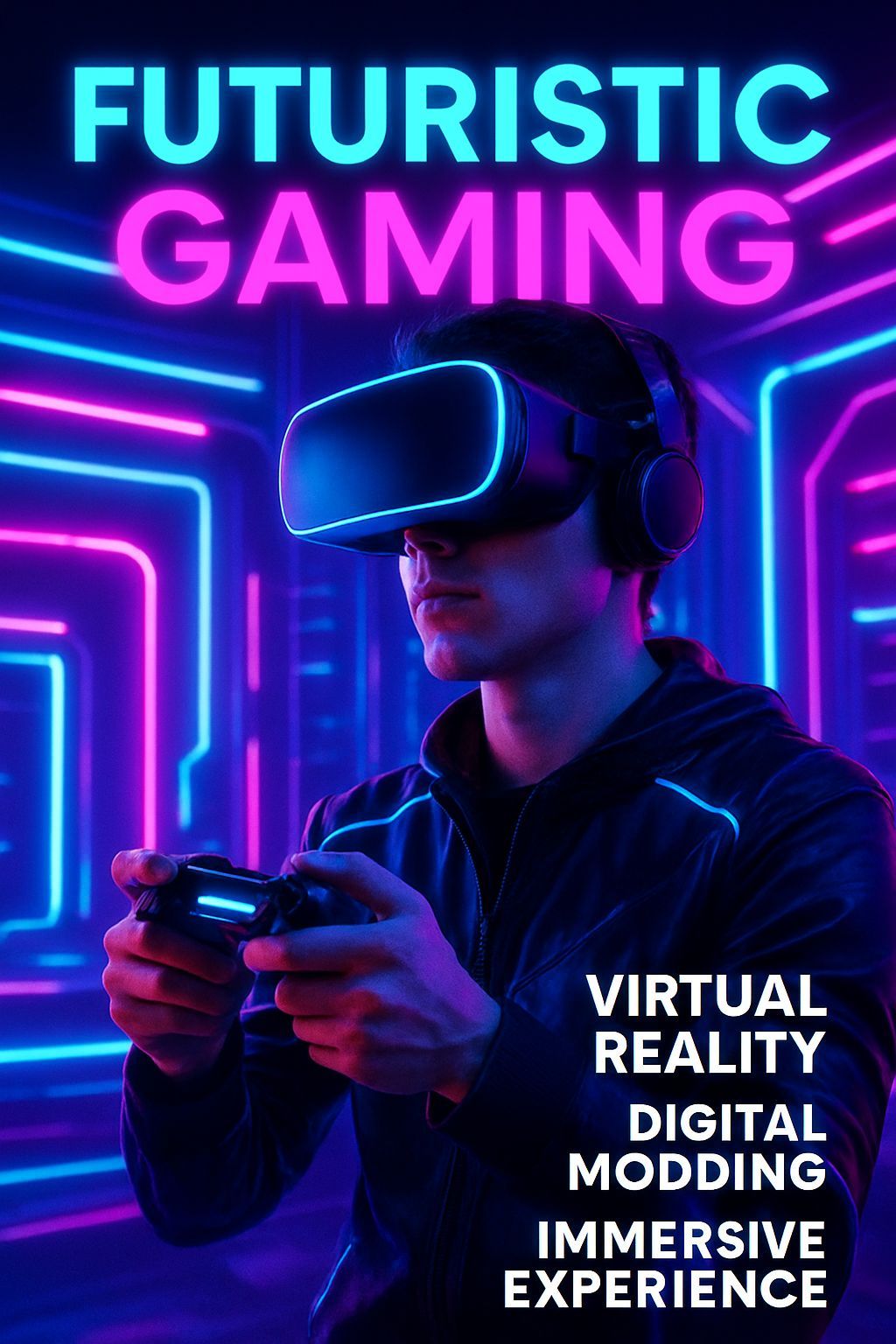
The world of video games is a vibrant and evolving ecosystem, where technological innovation merges with human creativity to give life to increasingly immersive and engaging experiences. From the first monochromatic pixels to today’s graphic wonders, the industry has gone through decades of transformations, driven not only by the great software houses and hardware giants, but also by a community of incredibly active enthusiasts. News ranging from the expected new outputs to revolutions introduced by user-created changes, from global events that gather millions of fans to speculation on the next chapters of legendary sagas, paint a picture of an industry in perennial ferment. This dynamism is what makes gaming a global cultural phenomenon, capable of intercepting trends, shaping technologies and offering endless possibilities of entertainment, exploration and social interaction. The analysis of past and present trends, such as those highlighted by the news collected, offers a privileged lens to understand not only where we have been, but especially where we are going, tracing the lines of an increasingly rich and interconnected digital future, where each player can be not only a user, but also a creator of their own video world. From the mods that radically transform the gaming experience to the promise of virtual reality, passing through the unstoppable cycle of hype and the evolution of business models, each aspect contributes to defining a landscape in constant redefinition, offering insights on the intersection between technology, creativity and community in one of the most dynamic sectors of the 21st century. The ability to adapt and innovate is the key to survival and success in this competitive scenario, where players' expectations grow hand in hand with the possibilities offered by technological progress.
The Silent Revolution of Mods: When Players Make the Game
Changes, or ♪, they represent one of the most vital and creative forces within the videoludic community, transforming and enriching the gaming experience well beyond the original intentions of the developers. These creations, often developed by amateur teams or individual enthusiasts, can range from simple aesthetic touches – such as the “Cell-Shades” that give Dark Souls 3 a comic look, or improved textures for The Witcher 3 – to real total conversions that twist mechanics and narrative. The example of Fallout 4 turned into a survival hardcore or Land that becomes a complex RPG, demonstrates the incredible potential of these creations in reinventing beloved titles, extending its longevity and offering unprecedented perspectives. The mods not only correlate bugs left unresolved or introduce desired features from the community, but often explore gameplay concepts that the original games would not dare touch, acting as real testing labs. This phenomenon is not only a pastime, but a real ecosystem that feeds dedicated sites, discussion forums and YouTube channels, where modders share their work and receive feedback. For many titles, especially those with a strong legacy and a devout fan base as Fallout 2, mods are the main reason why they continue to be played and appreciated decades after their release. The ability of a mod to make a game more beautiful, more difficult, more varied or simply different, is a testimony of the power of collective creativity and the importance of open platforms that allow users to model their digital worlds. The challenge for developers is to find a balance between support for this effervescent community and the protection of their intellectual property, recognizing that mods are a valuable catalyst for engagement and innovation, capable of even affecting design decisions for future titles.
The Eternal Hype Cycle: Announces, Speculations and the Expectation of the Capolavours
The world of video games is perpetually powered by a cycle of hype that precedes and accompanies the launch of every significant title, transforming simple announcements into global resonance events. This phenomenon, evident in the news about waiting for Zelda: Breath of the Wild or the wave of enthusiasm triggered by Rockstar Games social profiles for a new Red Dead Redemption, is a complex interaction between wise marketing, community speculation and an innate desire for players for innovation and excellence. News escapes, puzzles and strategically released gameplay trailers are all tools that publishers use to build this excitement, transforming every clue into a piece of a puzzle that fans are eager to solve. Discussions on forums, slower video analysis and the most diverse theories, such as those on Diablo 4 or a Diablo 2 Remastered, show how the community becomes an active part of the hype creation process, with an influence that can sometimes even exceed the original intentions of developers. This mechanism, although it can generate unrealistic expectations, is essential for commercial success, ensuring wide visibility and robust pre-orders. However, the other side of the coin is the risk of disappointment if the final product does not meet the unmoved promises or expectations, an event that can undermine consumer confidence and damage the reputation of a study. The balance between fuelling enthusiasm and keeping your feet on the ground is one of the biggest challenges for industry, which must navigate between the desire for innovation and the need to respect the heritage of historical sagas, often decided not only by developers but by the wave of enthusiasm generated by fans. In this context, even the absence of news on expected titles, such as the legendary Half-Life 3, it becomes itself a source of perpetual speculation, keeping alive the flame of waiting through fragmentary clues or side projects, such as those related to virtual reality.
Beyond the Screen: Immersion in Virtual Reality and New Technology Frontiers
The virtual reality (VR) is one of the most promising and challenging frontiers in the world of video games, promising a previously unimaginable level of immersion. News about titles as Arktika. 1 by 4A Games (Metro 2033) and Robo Recall by Epic Games, both exclusive to Oculus Rift and Oculus Touch, or persistent clues about a possible VR project linked to Half-Life, emphasize the commitment of industry to explore this new paradigm. VR is not limited to presenting an image on a screen, but transports the player inside the virtual world, allowing him to interact with it in more natural and intuitive ways, thanks to controllers that replicate the movements of the hands and viewers that follow the direction of the look. This technology opens the door to completely new gaming experiences, from ultra-realistic simulators to action games that require physical movements, but also presents significant challenges, such as hardware cost, physical space need and the potential occurrence of motion sickness. Despite these obstacles, the potential of VR to revolutionize not only gaming but also other sectors, from education to medicine, is immense. The evolution of platforms like Oculus Rift, along with the more accessible and less bulky hardware advances, is gradually making VR a more concrete reality for the mass audience. Integration with eye tracking technologies, advanced aptic feedback and neural interfaces is the next step towards total immersion, which could lead to the concept of metaverso: a persistent and interconnected digital universe where videoludic experiences merge with socialization, work and entertainment. This is no longer just science fiction, but a tangible goal that is shaping the technological development and strategies of the largest tech and video companies, promising to radically transform the way we interact with digital and the very concept of ludicrous experience.
The Game as Service: Events, Updates and Construction of Durature Communities
The approach of the game as a service (Game as a Service, GaaS) revolutionized the way developers and publishers conceive the life of a video game, transforming it from a static product to a dynamic and constantly evolving experience. News like Halloween event Destiny or the introduction of the Heroic Rise paid in Hearthstone with great rewards, they perfectly illustrate this strategy. The main goal is to keep players engaged in the long term through a constant stream of new content, limited-time events, balancing updates and customization options, often monetized through seasonal passes, microtransactions or loot box. This model not only guarantees a continuous revenue stream for developers, but also creates a stronger and cohesive community. Seasonal events, such as Halloween, offer players new activities, exclusive cosmetics and the opportunity to experience collective experiences, strengthening their sense of belonging. Competitive modes with significant rewards, such as the Eroic Rissa of Hearthstone, stimulate participation and competition, maintaining high interest in gameplay. However, the success of GaaS depends on a delicate balance: it is essential that additional content is of quality, that monetization is perceived as fair and that developers maintain an open and transparent dialogue with their player base. An unbalanced approach can lead to severe criticism, such as the so-called game fatigue as a service, where players feel overwhelmed by the amount of content or exploited by monetization policies. On the contrary, when well implemented, the GaaS model can create real persistent universes, such as World of Warcraft or Fortnite, which evolve for years, offering players a place to come back, tighten friendships and live shared adventures, transforming the initial purchase into an investment in an endless digital experience, always fresh and exciting thanks to a constant commitment to renewal.
The Gaming Market and the Commercial Ecosystem: From Offers to Distribution Models
The commercial landscape of video games is a melting pot of marketing strategies, distribution models and price dynamics that reflect the rapid evolution of the industry and changing consumer habits. Offers from Unieuro during the Milan Games Week, with discounts on PS4, Xbox One and numerous games, or EA's decision to rent servers directly Battlefield 1, eliminating third-party services, are clear examples of how the economic aspect is inherently linked to each phase of the life cycle of a video game. Exhibitions such as Milan Games Week are not only showcases for new titles, but also important commercial platforms where retailers can push sales, exploiting the enthusiasm generated by ads and the possibility for fans to try the latest news. The competition is fierce, not only among developers, but also among retailers, who try to capture the attention of consumers with attractive offers, pushing towards ever greater accessibility to games and consoles. At the same time, the industry is witnessing a progressive shift towards digital distribution and subscription services, offering convenience and a large library of securities at a fixed monthly cost, challenging the traditional single purchase model. EA's decision to internalize server management for Battlefield 1 reflects a broader trend towards direct control of the gaming infrastructure, to ensure greater service quality, optimize costs and offer a more consistent experience to players, but also to maximize profits by managing every aspect of the service. This approach has significant implications for third-party companies that traditionally provided such services, but also promises greater stability and innovation for players. The market also includeshardware, with consoles that continue to be the hub for millions of players, but also the growing segment of PC gaming and, as mentioned, VR, which needs specific hardware. The entire business chain, from console and component manufacturers, to game developers, distributors and retailers, is interconnected in a complex ecosystem where each actor tries to maximize its impact and market share, in a dynamic and highly competitive environment, but always offers new opportunities to players.
The Past Meets the Future: Remaster, Sequel and the Duration Heritage of Video Games
The videoludic industry is constantly in the balance between the nostalgia of the past and the drive towards the future, a balance that manifests clearly in the popularity of remastered and waiting for sequel of the most beloved sagas. The speculation on a possible Diablo 2 Remastered in conjunction with voices on Diablo 4, or the fervour around a new Red Dead Redemption, highlight how players are deeply linked to their past experiences, but eager to see those same sagas evolve and innovate. A remaster offers the opportunity to relive a classic with improved graphics, updated features and sometimes additional content, making it accessible to a new generation of players who may not have had the chance to experience the original. These projects are often a way to honor the heritage of a title, refreshing its robe without overturning the soul. However, the challenge lies in balancing the fidelity to the original with modern expectations, avoiding falling into the trap of changes that displease long-time fans. On the other hand, sequels represent the future, the opportunity to expand the narrative universe, introduce new gameplay mechanics and exploit the latest technologies. The creation of a successful sequel requires boldness in innovation and respect for what made the predecessor great, a duality that can be difficult to manage. The saga of Red Dead Redemption, for example, is a testament to how a sequel can not only match, but even overcome the original, expanding its vision and strengthening its cultural impact. These games are not only entertainment, but pillars of popular culture, capable of affecting entire generations of players and developers. Their inheritance is not only measured in sales, but in the ability to generate discussions, create communities and define genres. The management of these iconic sagas is therefore a huge responsibility for developers, who must navigate between the desire for innovation and the pressure to meet the expectations of a global community, trying to ensure that the past continues to inspire the future, ensuring that the stories and worlds we love can continue to exist, evolve and fascinate for years to come.
Gaming Future: An Interconnected and Confinite Ecosystem
In summary, the video game scene is an ever-changing ecosystem, powered by a synergy between technology, creativity and a global community of enthusiasts. Mods, created by users, demonstrate the power of collaboration and innovation from below, extending the life and possibilities of beloved titles. The eternal hype cycle that surrounds the ads of new games and the expected sequels, is the proof of an industry that knows how to capture the collective imagination and push the boundaries of possible. Virtual reality and immersive technologies, still in their early stages, promise to redefine the very concept of playful experience, transforming viewers into active participants of increasingly compelling digital worlds. The model of the game as a service, with its constant events and updates, cemented the idea that a video game is a living and evolving entity, a meeting point for communities that share adventures and challenges. Finally, the commercial aspect, with its distribution dynamics and sales strategies, emphasizes the economic importance of a sector that continues to grow at vertiginous rhythms, adapting itself to new forms of consumption and interaction. The coexistence of remasters honoring the past and sequel that open to the future, highlights the richness of a medium that does not forget its roots, but constantly looks ahead. The future of gaming is, therefore, a future of greater interconnection, personalization and immersion, where the boundaries between player and creator, between real and virtual world, become increasingly labile, promising an era of unprecedented digital entertainment, collectively shaped by those who live it and imagine it, continuing to challenge expectations and to overcome every limit, on an endless journey through interactive innovation.


