Understanding how to destroy an old mobile phone has become an absolute priority in 2026, a time when our mobile devices contain an unprecedented amount of personal, biometric and financial data. many users, moved by fear that their information may fall into the wrong hands, instinctively think of using rudimentary methods such as a hammer or a bite. however, the physical destruction of a smartphone is not an operation to be underestimated, both for the risks related to personal safety, such as the explosion of lithium batteries, and for the devastating environmental impact that incorrect disposal can generate. in this complete guide, we will explore all the safe methods to make your data inaccessible, we will analyze technical disassembly procedures and see how to contribute to the circular economy through the proper provision of electronic waste. whether your device is an obsolete model or a non-functional modern smartphone, you will learn how to manage each phase of the process with the expertise of an expert, avoiding common mistakes that could compromise your health or privacy. technology evolves rapidly, but the need to protect our digital identity remains an unreliable constant for every conscious user who wants to dispose of their old technological devices permanently.
Evaluate device status before destruction #
Creative reuse and alternative usage destinations #
Before proceeding with drastic operations on how to destroy an old cell, it is essential to analyse whether the device still has a residual utility. often, a smartphone considered “old” in 2026 can still perform specific tasks that lighten the workload of your main device. for example, you could turn it into a domotic control unit dedicated exclusively to the control of the lights and the intelligent thermostat of your home. thanks to wi-fi connectivity, your mobile phone can act as a media player for the streaming high resolution audio, or become an emergency webcam for your work video calls through specific applications. this approach not only extends the useful life of the object, but also reduces the production of electronic waste, allowing you to exploit components that, although no longer fluid for everyday use, are perfect for static and targeted tasks. consider also the use as a dedicated gps navigator for the car, leaving the maps downloaded offline to not consume data traffic, thus preserving the battery of your current phone during long summer or winter trips.
Another valid option concerns the transformation of the old terminal into an environmental monitoring station or an internal surveillance camera. there are numerous software that allows you to use sensors integrated into your smartphone to detect movements or changes in air quality by sending real-time notifications to your main account. if the screen is still intact, the device can act as an advanced digital frame to show your photo memories or as a smart table clock with always updated weather forecasts. this way, avoid buying new electronic gadgets, saving money and valuable resources. the versatility of modern smartphones is such that even a dated hardware can offer excellent performance if confined to a single operating purpose. before handling tools for destruction, carefully reflect on these possibilities: the creative recycling is the highest form of technological sustainability in the contemporary digital panorama, allowing to value every single chip still working inside the plastic or metal shell.
Resale and donation for the circular economy #
If the device is still working but you have no interest in reusing it personally, resale represents a smart and rewarding choice. the use market for smartphones is extremely flourishing in 2026, especially for spare parts that have become rare due to new global extractive policies. there are specialized platforms that evaluate your use and deal with professional reconditioning, ensuring that your data is deleted in a certified way before the device reaches a new owner. selling the phone allows you to recover a part of the initial investment and ensures that the precious materials contained within it, such as gold and palladium, remain in circulation instead of finishing in a landfill. it is a civil liability gesture that supports the most ethical and less dependent production chains in developing countries, promoting a more conscious and less compulsive consumption.
Alternatively, donation to benefits or schools can make a big difference for those who have no easy access to digital technologies. many non-profit organizations collect old mobile phones to provide communication tools to people in difficulty or for educational projects in the poorer areas. in these cases, it is essential to ensure that you have made a deep cleansing of your personal data to protect your privacy. giving an efficient device is an act of solidarity that transforms a forgotten object into a drawer into a vital resource for the community. many schools also use old smartphones for robotics or programming laboratories, allowing students to experiment directly on the hardware without fear of damaging expensive equipment. before permanently destroying your device, check if there are local collection centers that accept technological donations: your old cell phone might still have a lot to offer to those who really need it for study or primary need.
Privacy protection and secure data cancellation #
Perform a full backup and encryption #
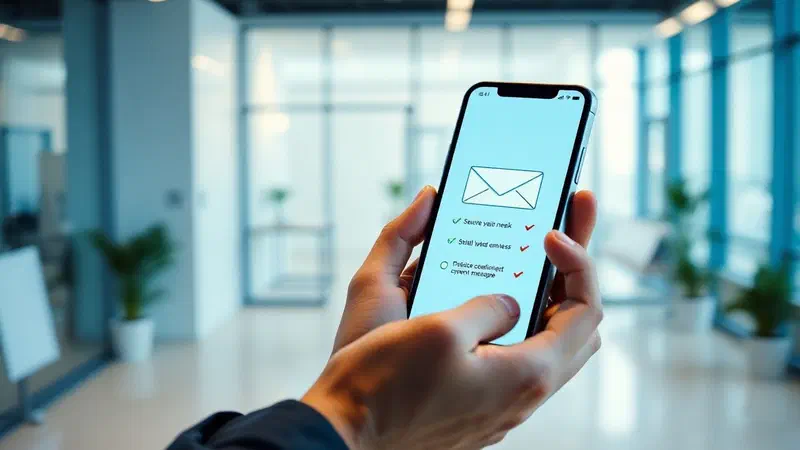
The first crucial step in driving on how to destroy an old cell phone is not about physical strength, but software management. before anything else, it is essential to proceed with a total backup of all the contents present in the internal memory and on the possible microsd card. in 2026, cloud services offer automated synchronization solutions, but manual control over specific folders such as documents, encrypted photos and digital wallet access keys is highly recommended. once you secure your files, you must ensure that the encryption function of the device is active. although most modern smartphones encrypt data by default, forcing a new encryption cycle adds an additional level of protection that makes recovery of residual bits practically impossible even for for forensic computer experts equipped with advanced software to rebuild fragmented files.
After checking encryption, the next step is the disconnection of all device-related accounts. this includes not only the main google account or streaming, but also banking applications, social media and two-factor authentication systems (2fa). remove the device from the list of trusted devices in your main account prevents unauthorized access remotely even if someone succeeds in repairing the phone after your partial destruction. remember to turn off functions like “find my device” or “find my iphone”, because the activation lock could make the phone unusable even for authorized recycling centers that need to test the components. effective**** secure data scanning always starts from logical removal of software permissions, creating an insurmountable barrier between your digital identity and physical hardware that you are about to dismantle or permanently destroy in the raee collection center.
Factory reset and memory overwriting #
The reset factory smartphone* is the standard procedure to bring the software back to the original conditions, but alone it may not be enough if not performed correctly. for total security, after the first restoration, it is recommended to fill the memory of the phone with value-free data, such as very long videos of landscapes or large random files, and then perform a second reset. this “overwrite” technique ensures that the areas of flash memory hosting your sensitive documents are physically occupied by new random information, making null any attempt to recover through data recovery software. in 2026, some manufacturers include “secure erase” tools directly in the advanced settings menu, which perform deep cleaning cycles approved by government security standards, ensuring that each magnetic or electrical trace of the previous data is permanently and irreversible.
It is important to note that the flash memory (emmc or ufs) used in mobile phones has management logic other than old mechanical hard drives, therefore the methods of magnetic destruction are not effective. only a deep logical cancellation followed by the physical destruction of the chip can give mathematical certainty of privacy protection. if your phone is no longer on and you cannot reset it, you will have to rely solely on the mechanical destruction of the internal components that we will treat in subsequent paragraphs. however, if you still have access to the operating system, it devotes the time necessary to these software operations: prevention is the most powerful weapon against identity theft and unauthorized dissemination of sensitive personal data that could be used for financial fraud or digital blackmail. a correct reset procedure is the foundation on which the entire safety of the disposal process of any modern electronic device rests, both for private or corporate use.
Physical procedure to destroy your mobile safely #
Technical disassembly and battery removal #
Entering into the matter on how to destroy an old cell requires a methodical approach and the use of appropriate tools. the first real danger is the lithium-ion battery. never try to hit the phone with a hammer or pierce it while the battery is still inside: lithium reacts violently with oxygen if the cell is compressed or perforated, causing intense flames, explosions and the release of highly harmful toxic fumes for the lungs. use a precision screwdriver kit and plastic levers to open the back shell. if the phone is sealed with powerful adhesives, typical of models from 2024 to 2026, it slightly heats the edges with a hair dryer to soften the glue. once opened, disconnect the battery connector with extreme caution and remove it slowly, without ever bending it or scratching it with pointed metal objects.
Once the battery is removed, it must be placed in a fire retardant container or brought immediately to an exhausted battery collection point. it must not be subjected to processes of physical destruction at home. with the battery safely, the rest of the device becomes much easier to manage. you can now proceed to disassemble broken cell phone in its main components: display, motherboard, cameras and shell. this separation is fundamental not only for the destruction of data, but also to facilitate the recycling of materials. each component, in fact, belongs to a different category of recovery. the awareness of the chemical and physical risks associated with modern batteries must guide your actions: personal security comes before data destruction, and acting quickly or imperative can turn a banal task into a serious domestic accident. always follow the specific guides for your phone model that you can find on specialized portals like ifixit, which in 2026 offer detailed patterns for almost every device on the market.
Destroy memory chips and sensitive components #
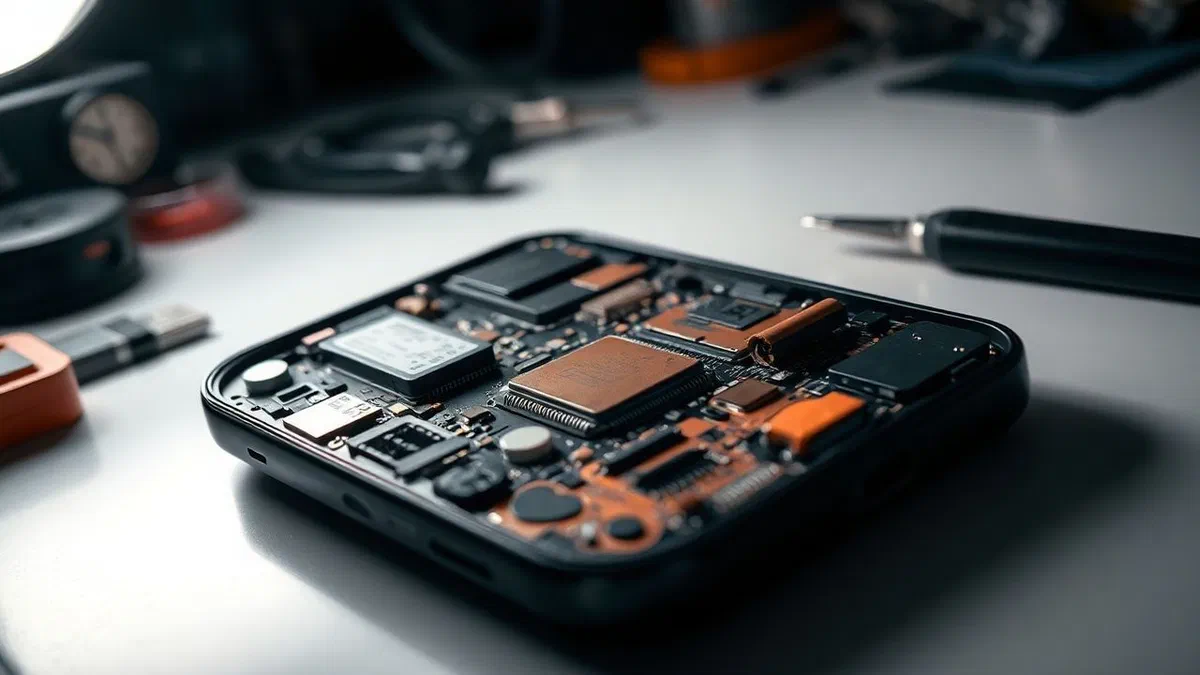
The heart of your data lies in the motherboard, specifically in the flash memory chip. for destroy memory chip* permanently, you must first locate it on the pcb plate. it is usually a square or rectangular chip, black, welded directly on the board and often protected by metallic shields that you can remove with a small clamp. once the ufs or emmc chip is identified, the safest method to make it unreadable is physical drilling or crushing. using a drill with a thin metal tip, you can practice some holes directly through the chip: this physically destroys memory cell benches where electrons are stored representing your bits. alternatively, you can use a heavy trojan to break the chip in multiple parts, ensuring you fragment it completely.
In addition to the main memory, it considers that some modern devices of 2026 have separate security chips (such as titan chips or secure enclave modules) that manage cryptographic keys and biometric data. these small components should also be identified and physically damaged to ensure that no part of the security system remains integral. it is not necessary to destroy the whole motherboard or screen, operation which would create a huge amount of thin powders and dangerous glass fragments. concentrate your mechanical action only on the identified memory chips. after destruction, the motherboard fragments can be disposed of in dedicated raee containers, knowing that no one can ever extract information from those remains. this targeted method is much more efficient and clean than the indiscriminate use of a hammer, which would only be to disperse chemicals and glass fragments into the surrounding environment without giving absolute certainties on the destruction of silicon containing data.
Disposal raee and authorized collection centers #
The law and free bestowal channels #
The ** exhausted smartphone enamel** is regulated by strict regulations aimed at protecting the environment and promoting material recovery. in italy, mobile phones fall into the category of electrical and electronic equipment refusals (raee), group 4. you have the right, and the duty, to give these waste free of charge to the municipal collection centers (ecological islands). here, specialized personnel manages the refusal ensuring that it does not end in undifferentiated landfills where heavy metals such as lead, cadmium and mercury could pollute groundwater. in 2026, the collection network was further upgraded and you can find automatic bestowal points even in many commercial centers and public offices, making the disposal operation extremely convenient and fast for each citizen, regardless of its area of residence.
Another fundamental option is the “one against zero” mode. according to the law, electronics shops with a sales surface of more than 400 square meters are obliged to withdraw free of charge the small raee (with external dimensions less than 25 cm, just like the mobile phones) without you having to buy anything in return. just show up at the reception point or look for the appropriate containers at the entrance of the store. this is the ideal solution if you don’t have time to go to the municipal ecological island. remember that delivering a phone to these centers ensures that the device enters a controlled supply chain where the materials are separated mechanically and chemically to be reused in the production of new devices, reducing the need for destructive mining activities. responsible disposal is the last act of respect for an object that has served you faithfully for years, ensuring that its “end of life” becomes the beginning of a new sustainable production cycle.
- Find the nearest ecological island through the city apps or the site of the eea coordination center.
- Use the “one against zero” containers in large electronic chains for quick disposal.
- Make sure the phone is battery-free if these have signs of swelling or obvious damage.
- Never throw the cell phone or its components into the undifferentiated sack or road baskets.
- Always request, if possible, a receipt for company or sensitive devices.
Recovery of precious metals and rare materials #
recover precious telephone materials* is a real urban mining activity. around 60 different chemical elements are contained within each smartphone, many of which are classified as critical raw materials by the european union in 2026. we speak of small amounts of gold, silver, platinum and copper, but also of rare metals fundamental for the energy transition such as niobium, tantalum (used in capacitors) and rare earths present in the magnets of the speakers and in the engines of vibration. extracting these materials from old phones requires much less energy than mining from primary mines and has a much lower environmental impact. when you decide to properly destroy and dispose of your mobile phone, you are contributing directly to the availability of resources for future generations of green technologies.
Industrial recovery processes include controlled shredding and use of chemical reagents or pyrometallurgical processes to separate metals from polymers and silicon. this cycle allows to recover up to 95% of the materials contained in a smartphone. without your bestowal in official channels, these resources would be lost forever, buried under tons of common waste or, worse, exported illegally to developing countries where they are burned outdoors, causing environmental and health disasters. the awareness that your old cell phone is a small “golden mine” must motivate you to never leave it in a drawer or in the generic trash. the value of recovery is not only economic, but strategic: in a world where resources are limited, efficiency in the recycling of weee determines the ability of a nation to innovate without destroying the planet. every single smartphone properly disposed of is a step forward towards a more equitable and sustainable technological future for all the inhabitants of the earth.
- Rejection at the authorized collection center or electronic store.
- Safe transport to specialized raee treatment plants on the territory.
- Manual separation of dangerous components such as batteries, capacitors and liquid crystal screens.
- Mechanical crushing of printed circuits and metal separation through magnets and parasite currents.
- Chemical refinement to obtain pure metals ready to be reintroduced in industrial processes.
Professional solutions and certified destruction #
Management of business lots and compliance gdpr #
For companies, procedures on how to destroy an old cell phone are even more stringent due to gdpr law and the need to protect industrial secrets. it is not recommended that the internal staff proceed to the manual destruction of the company’s devices, since this does not provide any legal proof of data cancellation. companies must address specialized companies offering certified destruction services. these companies use industrial machinery called “shredder” that can reduce entire lots of smartphones in confetti of a few millimeters within a few minutes. at the end of the operation, a certificate of destruction is issued which certifies the serial number of each treated device, ensuring compliance with the privacy laws and raising the company from all liability in case of future breaches related to that old hardware.
Specialist companies operate in safe and monitored environments, often allowing customers to witness destruction through live videos or recordings. this level of transparency is fundamental in 2026, where corporate social responsibility (csr) plays a key role in brand reputation. in addition to physical destruction, these companies manage the entire logistics of weee disposal, ensuring that the residuals of the shredding are started to the correct processes of material recovery. investing in a certified destruction at specialized companies is a necessary operating cost for any professional reality that manages customer data, employees or private projects. it is the safest choice to avoid heavy administrative sanctions and irreparable image damage that could result from the finding of a company phone intact in a market of uncontrolled use or in an abusive landfill.
Advanced technologies: degaussing and shredding #
Although degaussing (smagnetization) is less effective for flash memory than traditional hard drives, some companies use ultra-intensive electromagnetic impulses to damage integrated circuits before mechanical shredding. this combination of techniques ensures that even if a chip survives partially intact to crushing, its data would still be corrupted electronically. industrial shredding in 2026 has reached levels of millimetre precision, producing so small fragments that the physical reconstruction of a memory chip becomes a technically and economically impossible enterprise even for the most advanced government laboratories. there are also mobile units of destruction that can go directly to the customer’s headquarters, destroying devices within a truck equipped for even greater safety.
Trusting professionals also means ensuring that the process of destruction is sustainable. modern industrial plants are equipped with air filtration systems that capture dust and fumes produced during shredding, avoiding the dispersion of harmful substances in the atmosphere. this is an aspect that destruction “do it yourself” cannot guarantee. when choosing a partner for the destruction of hardware, always check that it has iso environmental and information security certifications (iso 27001 and iso 14001). these guarantees give you the assurance that the process follows recognized international standards and that your old mobile phone does not become a problem for someone else or for the environment. the technology of destruction has become a complex science that combines cybersecurity, mechanical engineering and environmental chemistry to perfectly close the life cycle of our ubiquitous digital companions.
“data security does not end when the software is deleted, but when the hardware physically ceases to exist as an integral entity. in 2026, privacy protection necessarily passes through a conscious and certified physical destruction, combined with deep respect for the environment that hosts us. "
Frequently asked questions (faq) #
Can i destroy the cell phone by putting it in the microwave? #
Absolutely not. putting a smartphone or any electronic device in the microwave oven is extremely dangerous and can cause immediate fires, explosions and release of highly harmful toxic gases. electromagnetic waves react violently with metals and chemical components of lithium battery, risking to destroy your electrodomestic and seriously jeopardize your physical safety and habitability of your home. to destroy the data, follow only the software and mechanical methods described in this guide.
What if i accidentally break the phone’s battery? #
If during disassembly i had to pierce or fold the battery and notassi smoke, sparks or an acre smell of chemicals, remove immediately. if possible, move the outdoor device to an unflammable surface (such as concrete or stone) using long and protective tools. do not use water to extinguish a possible fire of a lithium battery, as it could feed the chemical reaction; use sand or a specific dust extinguisher. once cooled, the damaged battery is to be taken to a raee disposal center by specifying what happened.
Phone formatting is enough to delete photos? #
Simple formatting or fast factory reset may not be enough on very dated devices, as data may remain present in non-overwritten memory areas. however, on smartphones produced in recent years (including all that is on the market in 2026), system encryption makes data unreadable after reset, since the decryption key is permanently erased. for total security, reset, fill the memory with random files (such as generic videos) and reset the terminal again before proceeding to physical destruction.
Where can i throw a broken cell phone if i don’t want to destroy it? #
The correct place is the ecological island of your municipality of residence, in the container dedicated to eea category 4. alternatively, you can deliver it free of charge at any large electronic shop that exceeds 400 square meters, thanks to the standard uno vs zero. you do not need to buy a new phone to take advantage of this service. also some post offices and tobacco shops in 2026 have installed small boxes for the collection of mobile phones and exhausted batteries, making the disposal even more capillary on the national territory.
Can i recover the gold contained in my old smartphone at home? #
Although it is true that smartphones contain gold and other precious metals, the quantities per single device are tiny (about 0.03 grams of gold). trying to extract it in the house is an extremely dangerous operation that requires the use of strong acids and chemical processes that release lethal vapours. in addition to the risk for health, the cost of reagents would far exceed the value of the recovered metal. it is much wiser and profitable to deliver the phone to professional recycling centers that operate on an industrial scale in total environmental safety.
In conclusion, learning how to destroy an old mobile phone requires a balance between technical caution, environmental responsibility and attention to digital privacy. we saw how the process begins well before touching the hardware, passing through accurate backups, data encryption and deep reset of the operating system. physical destruction must always be performed with the correct tools, taking care to isolate the lithium battery to avoid serious accidents. remember that every component of your smartphone is a valuable resource: to dispose of it correctly through the raee channels is not only a legal obligation, but a fundamental contribution to the circular economy of 2026. following these steps, you can finally get rid of your old devices with the certainty that your personal data will remain private and that the environment will not suffer damage from your gesture. if you still have doubts or manage large amounts of business devices, do not hesitate to contact specialized companies for professional advice. protect your digital past to build a more sustainable technological future.