In the age of streaming] on demand and high-definition content, the home television experience has reached levels never seen before. if you have recently renewed your subscription to the favorite streaming] services and dreams of immersing yourself in movies, tv series and sports events with a breathtaking visual quality, the purchase of a smart tv 4k represents the most logical next step. however, distracting between the multitude of models and technical specifications can be daunting. this guide has been designed to provide you with a comprehensive overview of the fundamental parameters to consider, helping you make an eye-catching and waste-free choice, perfectly aligned with your needs.
The essence of 4k: resolution and visual quality #
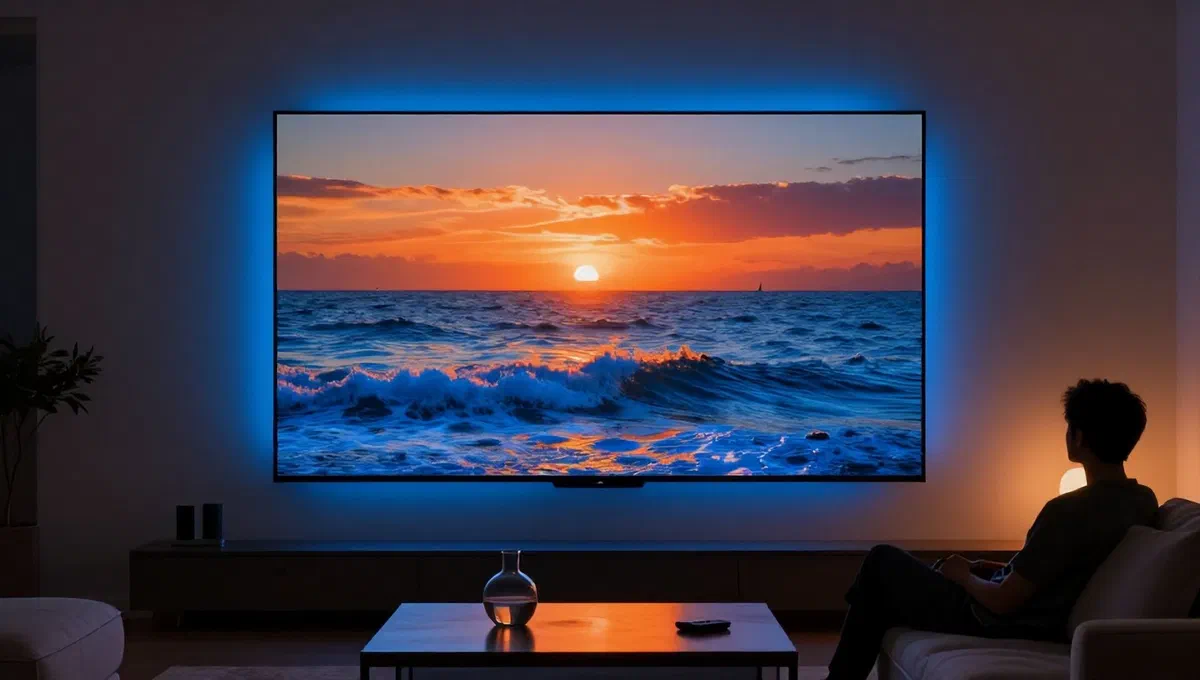
The first parameter to understand is the resolution 4k ultra hd. this technology offers a number of pixels four times higher than the traditional full hd, translating into incredibly sharp, detailed and realistic images. every texture, every contour, every color shade acquires a higher definition, significantly raising the overall visual experience. it is not only about size, but of a pixel density that allows to grasp details that previously passed unnoticed.
But the resolution is only the beginning. the true visual magic of a modern smart tv 4k often resides in support of*high dynamic range (hdr). standards such as hdr10, hlg, hdr10+ and dolby vision work to broaden the dynamic range of images, offering deeper and brighter white blacks, with more details in shadows and high lights. this results in more vivid colors and more intense contrasts, approaching the visual surrender to what the human eye perceives in the real world. the most advanced hdr formats, such as dolby vision and hdr10+, use dynamic metadata to optimize scene image quality by scene, ensuring an authentic cinema experience.
Another crucial aspect is panel technology. although most televisions use led-lcd panels, improved variants are being established. qled panels (quantum dot led), for example, integrate nanotechnologies to produce more saturated, bright colors and a higher color volume. some more recent models, such as the mini-led*, offer even more precise backlight control, with thousands of small led lights, further improving contrast and brightness compared to traditional leds. also the type of hva panel (horizontal vertical alignment), evolution of traditional va, contributes to a high contrast and to a broader viewing angle.
Finally, the image process represents the true “brain” of the television. processors such as aipqtm, a5/α5 ai processor 4k gen6/gen7 or crystal processor 4k are fundamental. they do not just manage the signal, but they process it intelligently: they perform the upscaling of non-native content in 4k, rebuilding details and reducing video noise to bring about the quality to ultra hd; they optimize color shades (as with samsung purcolor technology); and ensure smooth movements even in faster scenes. their ability to adapt brightness and sound according to the environment or content (ai brightness control) further improves comfort and immersion.
Size and design: find the perfect space #
The choice of the screen size, measured inches on the diagonal, is crucial and must be weighted according to the viewing distance and room size. a 43-inch television can be ideal for more compact environments such as a studio or a bedroom, while a 55 or 65-inch tv is better suited to larger living rooms, offering a more immersive experience. it is important not to exaggerate: a screen too large for a close distance can be fatigued. a good balance ensures that 4k details are appreciable without having to turn your head.
Design plays an increasingly important role. many current models have a design without frame* (bezel-less), which maximizes the viewing area and minimizes distractions, making the tv an elegant and discreet furnishing element. clean lines and thin profiles allow easy integration in any environment, from the most modern to the most classic.
A smart heart: smart tv features #
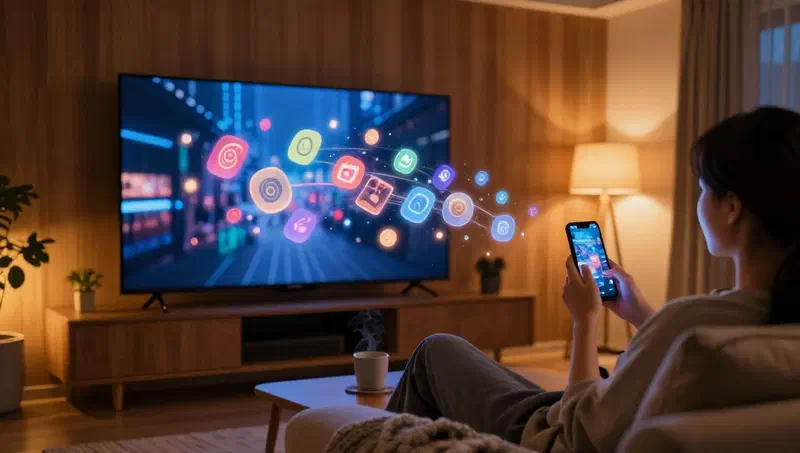
Modern smart tvs are real multimedia centers. their intelligence is managed by an operating system that determines user interface, navigation speed and app availability. platforms like google tv, webos (lg), tizen (samsung) and vidaa (hisense) offer different experiences but all aimed at ease of use and immediate access to content.
The**** app ecosystem** is essential: netflix, disney+, amazon prime video, youtube and many other streaming] apps are integrated, providing unlimited access to entertainment. many operating systems, such as webos with its “my profile” or tizen function with the smart hub, offer advanced customization, allowing you to create separate profiles for family members, receive custom recommendations and organize favorite apps in thematic cards (quick cards).
The integration of ** voice assistants**** (google assistant, amazon alexa, bixby) adds an additional level of comfort, allowing you to control the tv, search for content and manage other smart devices of the house simply with the voice. the compatibility with domestic ecosystems such as streaming airplay, homekit and the matter** standard turns the tv into a central hub for the smart home, facilitating the sharing of wireless content from smartphones and tablets.
Some manufacturers also provide long-term support for updating the operating system, such as the lg re:new webos program, ensuring that your device stays up to date with the latest innovations.
Connectivity and audio: open doors on entertainment #
A good 4k television must offer a versatile connectivity. make sure there are an adequate number of hdmi inputs (at least 3 or 4) to connect game consoles, soundbars, blu-ray players and other devices. usb** ports are useful for playing media from flash drives or external hard drives. for network connectivity, both the wi-fi* and theethernet (for a more stable connection) are essential for the streaming in 4k.
The bluetooth* connectivity allows you to connect wireless headphones or a soundbar without the cable footprint, improving your personal or collective audio experience.
Audio is a component often underestimated, but crucial for immersive experience. many 4k televisions support advanced audio technologies such as dolby atmos*, which creates a three-dimensional enveloping sound, or dts:x**. functions such as ots lite (object tracking sound lite) or samsung’s adaptive sound, and the sound adaptation of lg’s α5 gen7 processor, automatically calibrates the sound according to the content displayed and the environment, ensuring clear dialogues and good involvement in the action scenes. simplified integration with compatible soundbars, such as the q-symphony function of samsung or wow interface of lg, allows you to synchronize tv speakers with those of the soundbar for a larger and powerful sound front.
For gamers, cameramen and sportsmen: specific functions #
If you are a fan of gaming*, fluidity is fundamental. most 4k tvs offer an update rate of 60 hz, suitable for general use and occasional gaming sessions. however, if you are a competitive player, you may want higher refresh rate models (120hz or 144hz) that offer ultra-fluid gameplay. functions such as the game mode plus* or game dashboard & optimizer significantly reduce input delay (input lag) and optimize image parameters for gaming sessions, making them more responsive and engaging.
For lovers of cinema*, the filmmaker mode* is a precious feature. this mode disables unnecessary image processing (such as motion interpolation), allowing you to enjoy movies exactly as they were thought by directors, with authentic colors and frame rate and without unwanted alterations.
sport* fans will appreciate features such as the**** sports portal** app, which provides real-time notifications on the results of the matches of the heart teams, even while watching other content, ensuring that you don’t even miss a moment of action.
Finally, some features aimed at visual comfort, such as the ** blue light filter** or the ai brightness control that automatically adjusts brightness according to ambient light, contribute to making the viewing experience more pleasant and less fatigued, even during long sessions.
Advice for an informed and lasting purchase #
To make a really smart choice, sum up your priorities. what’s your budget? what is the main use of television (film, gaming, sports, mixed use)? what are the dimensions and lighting of the room in which it will be placed? answering these questions will help you filter options.
Also consider the longevity*: recent transmission standard support such as dvb-t2/s2 hevc 10 and future platform compatibility (such as 4k latitude) ensure that your television is ready for the future. balance advanced features with cost, looking for the best value for money without yielding to unnecessary features you would not use.
Choosing the perfect smart tv 4k means finding the right balance between your personal needs and the technological innovations available. with the information provided in this guide, you will be perfectly able to navigate the market and opt for the device that best suits your needs, guaranteeing you years of high quality entertainment.