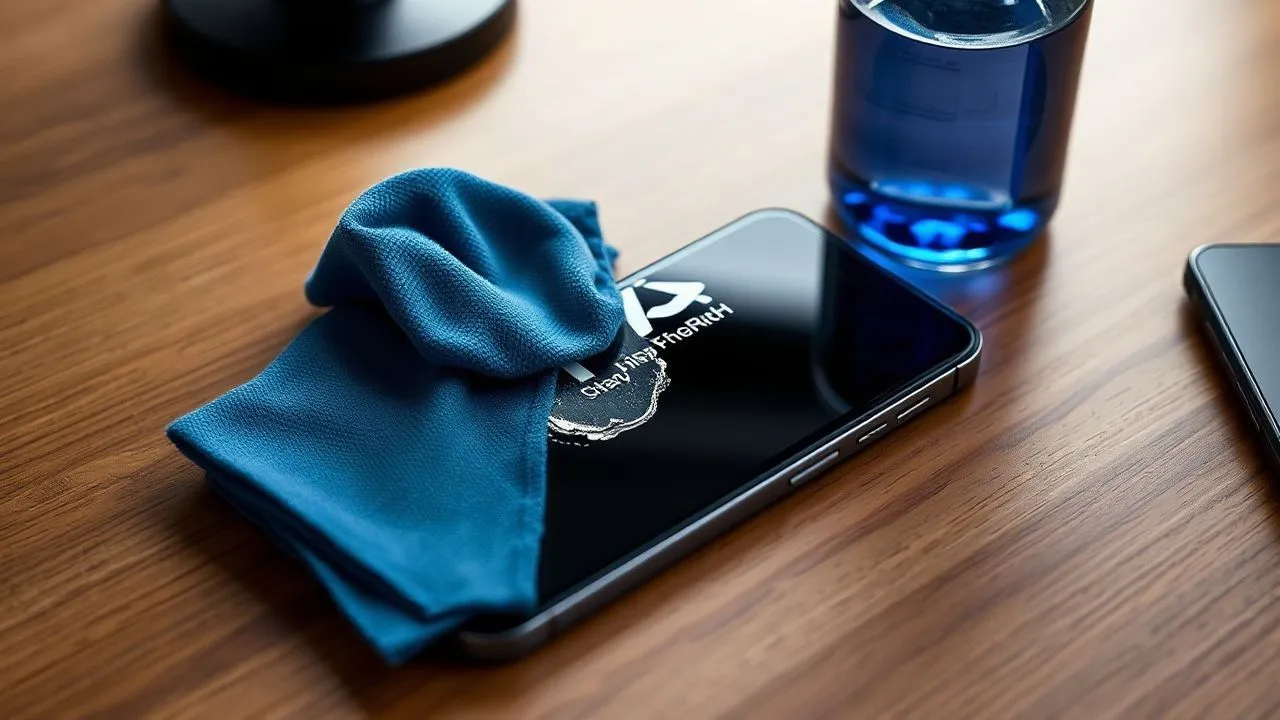
In the technological context of 2026, the smartphone is no longer just a communication device, but a real extension of our body and digital identity. We take it everywhere: on public transport, in the office, at the table and even in the gym. This omnipresence, however, transforms our beloved device into a dangerous receptacle of pathogenic agents. Many users, while being aware of the need for disinfect your phone, often fear to damage the delicate electronic components or to compromise the oleophobic coating of the display. In this comprehensive guide, we will explore the most advanced and safe methodologies to deeply igienize your device without risk. We will analyze the correct use of materials, the choice of the most suitable chemical disinfectants and innovations in the field of cold sterilization. Keeping your phone clean is not just a matter of aesthetics, but an essential gesture for preventing viral and bacterial infections that can proliferate undisturbed on touch surfaces. Through a series of detailed steps and professional advice, you will learn to take care of your hardware with the utmost precision, while ensuring a longevity higher than the most sensitive components of your smartphone, avoiding common errors that could invalidate the warranty or cause permanent malfunctions to biometric sensors and charging doors.
The crucial importance of digital hygiene in 2026
The proliferation of bacteria and viruses on touch surfaces
Recent scientific studies have shown that the surface of a smartphone can accommodate a bacterial charge significantly higher than that of a toilet tablet. This phenomenon happens because the heat generated by the battery of the device creates an ideal microclimate for the reproduction of microorganisms. Whenever we touch an object in a public place and then use the phone, we transfer a huge amount of germs to the glass. Because the device is often approached to the face, mouth and nose during calls, the risk of cross-contamination becomes extremely high. For disinfect your phone effectively, it is not enough a quick pass on the shirt; it serves a rigorous protocol that aims to eliminate the protective membrane of viruses and bacteria, making them harmless for our daily health.
In addition to common bacteria, the surface of the phone can accommodate organic residues such as sweat, skin sebum and fragments of dead skin, which act as nourishment for pathogenic agents. During the day, these substances accumulate by creating a thin biological film that can alter the sensitivity of the touch screen and the quality of the images captured by the front camera. Systematic cleaning must not be considered an extraordinary operation, but a preventive maintenance habit. Using the correct techniques allows you to remove these layers without scratching the glazed surface, keeping intact the crystalline transparency of the display and ensuring that proximity sensors always function flawlessly, avoiding interruptions during conversations or problems in facial authentication.
The correlation between personal hygiene and device maintenance
The care of your smartphone directly reflects your personal health. In an increasingly interconnected world, prevention also passes through sanitizing the tools we use most frequently. Washing your hands is useless if, immediately after, you hold a contaminated phone. For this reason, supplement the procedure for disinfect your phone in your evening routine or post-work has become essential. There is a close relationship between the cleaning frequency of the device and the reduction of contact dermatitis or skin impurities on the face, often caused by the rubbing of dirty screens against sensitive skin. A holistic approach to hygiene must necessarily include the technology that surrounds us every moment.
The concept of digital hygiene also extends to the protection of our loved ones. We often share the phone with children or friends to show photos and videos, making it easier to spread germs between different households. Educating yourself and others on the importance of a healthy device means raising the level of collective security. In 2026, with the emergence of new resistant bacterial variants, awareness of the use of certified and safe products has increased. It is not only about removing the fingers, but of operating a real microbiological rectification that does not compromise the structural integrity of the phone, especially near the seals that guarantee resistance to water and dust, components often vulnerable to the action of chemical agents too aggressive.
Approved tools and products for safe disinfection
The fundamental role of isopropyl alcohol at 70%
When you decide to disinfect your phone, the choice of chemical reagent is the most critical aspect. Hisopropyl alcohol, also known as isopropanol, at a concentration of 70%, is the standard recommended by leading global producers such as Apple and Samsung. This specific gradation is ideal because the water contained in the solution (the remaining 30%) helps alcohol to penetrate the cellular walls of microorganisms more effectively than pure alcohol, which would evaporate too quickly without completing the biocide action. It is essential to never use denatured ethyl alcohol (the pink one to understand), since it contains additives and dyes that can leave sticky residues or permanently damage anti-reflective treatments of modern screens.
The correct application provides to slightly moisten a cloth and never pour the liquid directly on the device. Although many phones today are IP68 certified for immersion, pressure liquids or chemical solvents can degrade speaker acoustic membranes or infiltrate USB-C port slots. Hisopropyl alcohol has the advantage of evaporating quickly without leaving alonies, making it perfect to clean camera lenses that require absolute transparency not to generate artifacts in photos. Always remember to turn off the phone and disconnect it from the charging before proceeding, ensuring maximum electrical safety during the entire domestic or professional igienization process.
Microfiber and recommended antistatic materials
In addition to the disinfectant, the physical support used plays a decisive role. The high-quality microfiber cloths, with a high fiber density, are the only tools able to capture dirt and bacteria without spreading them further on the surface. Unlike paper towels or paper napkins, which contain abrasive cellulose fibers capable of creating micro-scracks visible under sunlight, the microfiber lifts dust particles and traps them within its structure. For disinfect your phone professionally, it is advisable to have at least two distinct cloths: one for the application of the igienizing solution and one, perfectly dry and clean, for the final polishing and removal of any moisture residues.
The use of synthetic danine or suede leather is an excellent alternative, especially for those looking for an aloni-free finish. It is important to regularly wash these cloths (without softening, which compromises the absorbed properties) to prevent the accumulated dirt becoming itself an abrasive agent during subsequent cleaning. Avoid the use of old cotton t-shirts or bath towels, since their fibers are too coarse for high refresh rate displays and 2026 millimeter tactile sensitivity. Maintenance of cleaning tools is the first step for impeccable maintenance of the smartphone, ensuring that every hygiene session is effective and totally risk-free for the hardware.
Practical guide: how to clean the screen without damage
The sequential procedure for the smartphone display
Clean the screen requires delicacy and method. The first step is to remove larger dust particles using a manual bellows (such as those used in photography) or passing the dry microfiber cloth with extremely light movements. Once the surface powder is removed, we proceed by moistening a corner of the cloth with the solution based on isopropyl alcohol. For disinfect your phone correctly, circular movements must be carried out starting from the center of the display towards the edges. This technique allows you to lift the fingerprint fat and neutralize pathogens without exercising excessive pressure, which could damage the underlying pixel matrix or cause the annoying “ghosting” effect typical of the LCD panels under mechanical stress.
After passing the wet part, it is essential to immediately use the dry section of the cloth to remove residual moisture before drying in the air. This avoids the formation of stains of water or limestone, especially if you use distilled water to dilute alcohol. Pay special attention to the edges of the screen, where the glass joins the frame; in these microscopic cracks tend to accumulate dirt and bacteria. Using a slightly moistened cotton fioc can be useful to achieve these critical points, but making sure that you do not release cotton fibers inside the ear grill. Accuracy at this stage ensures that the entire perimeter of the front is sanitized, protecting the area that enters most often in contact with the ear.
Errors to avoid and precautions for oleophobic coatings
A common mistake is the use of household glass cleaning products. These detergents often contain ammonia or bleach, extremely aggressive substances that destroy the oleophobic treatment of the screen in few applications. The oleophobic coating is the layer that makes the screen fluid to the touch and resistant to prints; if removed, the finger will fatize and the dirt will adhere much more tenaciously. For disinfect your phone preserving this protection, limit the frequency of use of alcohol at once a day or only when strictly necessary, preferring in other times a simple cleaning with dry microfiber. Moderation is the key to keeping the screen as new for years, avoiding it becoming opaque or rough to the touch.
Another precaution concerns protective film or tempered glass. If your smartphone has applied protection, make sure that the disinfectant does not infiltrate under the raised edges, as it may dissolve the adhesive or create permanent air bubbles. In case of dull tempered glass, it is better to replace the protection before proceeding to liquid disinfection, since alcohol could penetrate into the cracks and reach the original display, causing unrepairable damage. Also remember to never spray anything directly on the communication doors or microphones. Caution is never too much when handling sophisticated electronic devices that integrate moisture-sensitive miniaturized components and chemical corrosion accelerated by improper cleaners.
- Never use compressed air to clean doors, as it could push dirt deeper.
- Avoid the use of abrasive sponges or pans that would destroy the glass in seconds.
- Always turn off the device before starting any cleaning operation with liquids.
- Never immerse your phone in disinfecting solutions, even if declared waterproof by the manufacturer.
- Wash your hands before you start the procedure to avoid transferring new dirt on the clean cloth.
Disinfect the back and body of the device
Different materials and techniques of differentiated approach
The back of the smartphone can be made of very different materials: glass, anodized aluminum, stainless steel or polycarbonate. Each of these requires specific attention. For glass surfaces, the procedure is identical to that of the screen, while for aluminium it must be even more cautious. Anodized aluminium can fade if exposed to too basic or acidic chemicals. For disinfect your phone on the metallic back, isopropyl alcohol remains the safest choice since it does not react with anodising pigments. If your phone has a matte finish, avoid rubbing too strong to not create permanent glossy areas caused by the mechanical wear of the cloth on the surface texture.
For phones with leather back or bio-sustainable materials, very common in 2026, the use of alcohol is not recommended since it could dry the material or cause the cracking. In these cases, it is preferable to use a freshly moistened cloth with water and an extremely delicate neutral soap, taking care to dry immediately. The lateral shell, often in polished metal, tends to accumulate organic footprints and dirt near the physical keys. Clean volume and ignition keys is fundamental, since they are among the most touched parts. A small soft bristle brush can help remove solid debris from key slots before switching to liquid sanification, preventing mechanical jams in the long term.
Management of camera modules and biometric sensors
The photo section is perhaps the most sensitive part after the screen. The lenses of modern cameras are equipped with multi-layer coatings to reduce chromatic reflections and aberrations. For disinfect your phone in this area, use only a clean corner of the microfiber cloth with a drop of solution. An excess of liquid could infiltrate between the lens and the shell, causing internal condensation difficult to eliminate. Clean lenses is not only hygienic, but ensures that laser autofocus and depth sensors function properly, ensuring sharp shots in every light condition. Leaning on the lenses is the main cause of “nebulae” photos or with annoying light slides during night shooting.
The fingerprint sensors, if not integrated under the screen, require constant cleaning. Skin fat can accumulate on the sensor, making biometric recognition difficult or impossible. Clean the sensor with isopropyl alcohol helps to remove lipid residues, restoring the original unlock speed. If your device uses face recognition (FaceID or similar), make sure that the infrared sensor zone at the top of the display is perfectly tersa. Dirt can deviate IR rays, causing failures in authentication. Treating these areas with the proper care allows you to keep the device safe level high, avoiding having to enter the PIN code manually due to dirty or damaging sensors.
- Prepare the work area by cleaning the desk where you will support your smartphone.
- Remove the cover or case, which must be disinfected separately.
- Inspect your phone looking for coarse debris in the charging doors.
- Proceed with screen cleaning using circular movements and microfiber cloth.
- Switch to the back and edge cleaning, paying attention to physical keys.
- Allow the device to dry in the air for 30 seconds before rekindling or re-entry.
UV technology for professional sanification
How UV-C sterilizers work and their effectiveness
In recent years, the adoption of UV-C light boxes for disinfect your phone has become a common practice among professionals and technology enthusiasts. Ultraviolet radiation in the C band (wavelength between 200 and 280 nanometers) has the ability to penetrate DNA and RNA of viruses and bacteria, destroying molecular bonds and making pathogens unable to reproduce. This method is purely physical and does not require the use of chemicals, eliminating the risk of ruining screen coatings or infiltrating liquids within the device. It is an ideal solution for those who want deep sanification without any mechanical contact, ensuring an effectiveness that often exceeds 99.9% on the most common bacterial strains.
The use of UV sterilizer is extremely simple: just enter the smartphone inside the room, close the cover and start the cycle, which usually lasts from 5 to 10 minutes. Some advanced models of 2026 also integrate wireless charging, allowing you to charge your phone while it is sanitized. However, it is important to ensure that the UV box is of certified quality, since low quality lamps may not emit the correct frequency or have an insufficient power to ensure complete sterilization. Moreover, UV-C light is dangerous for skin and human eyes; therefore, the devices are equipped with safety sensors that turn off the lamps immediately if the cover is opened during the working cycle.
Competitive advantages compared to manual cleaning
The main advantage of UV rays is the ability to reach every corner of the device, including loudspeakers grills and charging doors, areas where cloths and liquids struggle to arrive. For disinfect your phone in a truly total way, the combination of a manual cleaning (to remove visible dirt and fat) and a UV cycle (to eliminate the invisible bacterial charge) represents the “gold standard”. UV sterilizers do not cause material wear, do not fade plastics and do not affect internal electronic circuits. They are especially useful for those who work in high-risk healthcare environments or for those who want absolute tranquility coming home after a day spent in crowded places.
In addition to the smartphone, these boxes can accommodate other everyday objects such as keys, TWS earphones, smartwatch and credit cards, making them a versatile tool for domestic hygiene. In 2026, the compactness of these devices allows the use even on the road or in the office. Despite the initial cost is higher than a bottle of alcohol and a microfiber cloth, the long-term savings and the safety of not damaging expensive hardware make the investment sensible. Remember, however, that UV light does not remove fingerprints or stains of organic dirt; therefore, the mechanical action of the cloth remains necessary to maintain the phone aesthetically pleasing and free from physical residues that could shield the light itself, reducing its germicidal effectiveness.
Prohibited Products: What Never Use On Your Smartphone
The danger of common household cleaners
There is a long list of products that many users, in good faith, use for disinfect your phone, ignoring irreversible damage that can cause. The bleach, for example, is a powerful oxidant that can corrode metallic finishes and destroy the rubber seals that protect the phone from the water. Kitchen or bathroom cleaners are too aggressive, often containing abrasive particles or whitening agents. The use of these products can lead to the appearance of permanent stains on the screen or to the total loss of the responsiveness of the touch screen. Also the ostrich or baby wipes are not recommended, since they contain oils, fragrances and moisturizing substances that leave untouched residues difficult to remove.
Another false myth concerns the use of vinegar or lemon juice. Although they are natural acids, their acidity is sufficient to affect the glass of the screen and to bribe the metal pins of the charging door if they have to come into contact. For disinfect your phone, it is necessary to rely only on volatile and neutral substances such as isopropyl alcohol. Avoid the use of multi-purpose spray cleaners that promise “glazed light”; the chemicals contained can react with the plastics of the shell, making them fragile or sticky over time. The golden rule is simple: if the product is not explicitly indicated for precision electronics, it should never approach your expensive latest smartphone.
Why avoid compressed air and non-certified liquids
The use of compressed air cylinders is a risky practice that many experts do not recommend. Pressure is often too high for miniaturized components of 2026. Forced air can push microparticles of dust or liquid residues within the membranes of the microphones, breaking them or drastically reducing their sensitivity. In addition, rapid gas expansion can generate frozen condensation on the surface, causing thermal shock to electronic components. For disinfect your phone and remove the dust from the doors, it is much safer to use a soft bristle brush or a wood toothpick with extreme caution, avoiding touching the golden contacts inside the USB port or Lightning.
Finally, you must disinfect “fai-da-te” solutions that circulate on the web, based on oxygenated water mixtures and other solvents. Oxygenated water can permanently whiten colored shells and damage optical sensors under the screen. The search for maximum hygiene should never go to the detriment of the functionality of the device. In a time when smartphones cost as much as a professional laptop, using non-certified products is an unjustified economic risk. Always stick to the guidelines provided by the manufacturer and use only high quality consumables, ensuring that every operation is performed with the calm and attention that such a complex and precious object deserves daily.
The cleaning of the smartphone is not only an aesthetic choice, but a responsibility towards one's health and that of others. An igienized device drastically reduces the risk of daily bacterial contamination.
Frequently asked questions about smartphone disinfection
Can I use common ethyl alcohol to clean the screen?
It is strongly advised to use denatured ethyl alcohol (the pink one) for disinfect your phone. This product contains chemical and coloring additives that can leave a sticky film on the display or, worse, damage oleophobic and anti-reflective coatings. The only safe alternative is the 70% isopropyl alcohol, which evaporates completely without leaving harmful residues and ensures effective sanitization without compromising the electronic device hardware.
How many times a day should I disinfect my phone?
Under normal conditions, careful disinfection once a day, preferably when you return home, is enough to maintain a good level of hygiene. However, if you use your phone in high-frequency places such as hospitals, public transport or gyms, more frequent rapid cleaning may be useful. It is important not to exaggerate with the use of liquid solvents in order not to accelerate the wear of protective glass treatments, alternating with the use of a UV-C sterilizer.
Are multipurpose disinfectants safe for smartphones?
It depends on their composition. Many multipurpose wipes for the house contain bleach or ammonia, which are extremely harmful to the screens. If you want to use wipes, look for those specifically formulated for cleaning electronic devices or those only filled with isopropyl alcohol at 70%. Always make sure they are not too wet; if they drip, squeeze them slightly before passing them on the phone to avoid liquid infiltration in sensitive cracks.
What if the disinfectant enters the charging port?
The entry of liquids into the charging port can cause corrosion of metal or short circuits if the phone is connected to the current while it is still wet. If that happens, do not blow with the mouth (not to add moisture) and do not insert metal objects. Allow the phone to dry vertically in a ventilated environment for at least a couple of hours. Many modern smartphones of 2026 detect moisture in the door and disable charging until it is completely dry, protecting the internal circuits.
Can UV sterilizers damage battery or screen?
No, quality UV sterilizers designed for smartphones do not emit significant heat and UV-C radiation does not penetrate through the glass or shell so as to affect the battery or internal components. It is a cold process that only acts on the external surface at molecular level to inactivate pathogens. It is one of the safest methods in absolute, provided that you use certified devices that comply with safety standards to avoid direct human exposure to rays.
Can I use the igienizing gel for hands on the phone?
No, the igienizing gel for the hands often contains glycerin, perfumes and other emollient agents designed to protect the skin, but which are harmful to a smartphone. These substances leave untouched residues that attract even more dust and bacteria, making the screen matt and difficult to clean. In addition, the gelatinous consistency can easily obstruct the holes of the microphone and the speakers. Always use specific volatile liquids and a microfiber cloth for disinfect your phone correctly.
In conclusion, learn to disinfect your phone in the correct way is a fundamental competence in the digital age of 2026. Protecting your technological investment and health requires only a few minutes a day and the use of the right tools. Remember to always prefer isopropyl alcohol to 70% or UV-C technology, avoiding improvised solutions that could cost you expensive in terms of repairs. A constant maintenance not only keeps your smartphone as new, but offers you the tranquility of using a safe and igienized tool in every situation. Practice these tips today and transform the cleaning of your device into a healthy daily habit for a cleaner and safer digital future. Learn how to improve the longevity of your hardware by following our next technical guides.


